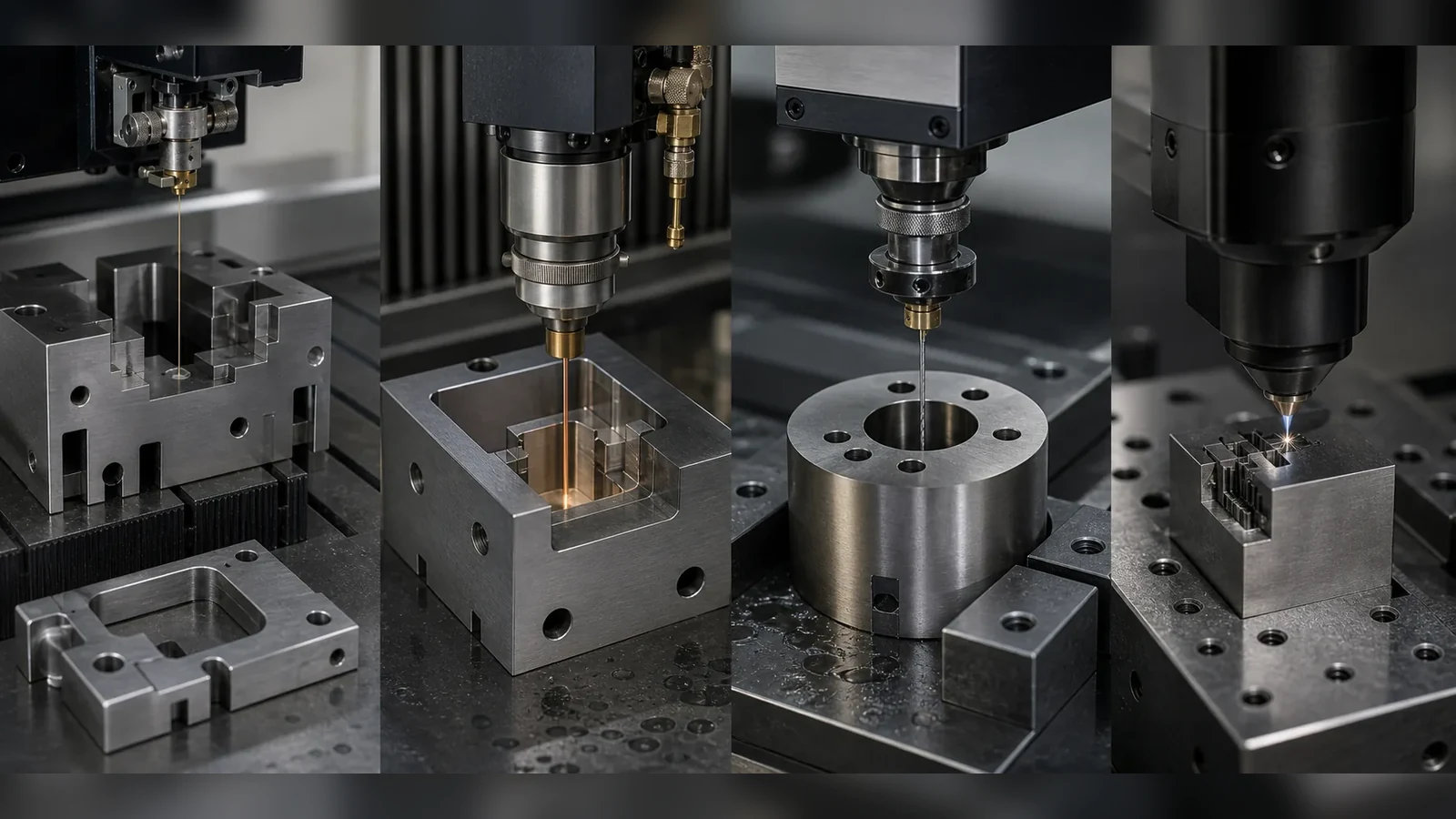
Request an EDM Quote
EDM machining processes for custom metal parts

EDM Machining

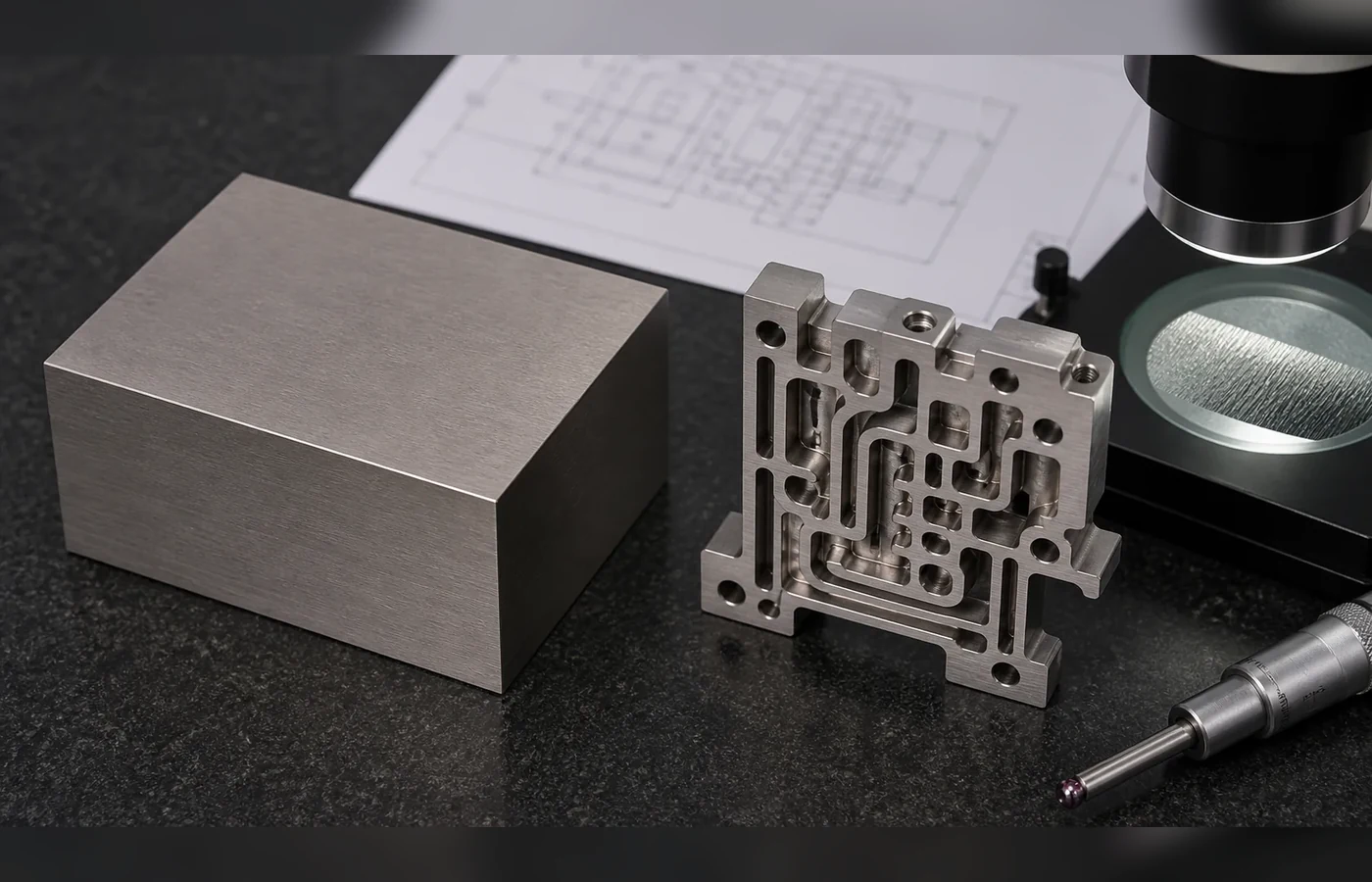
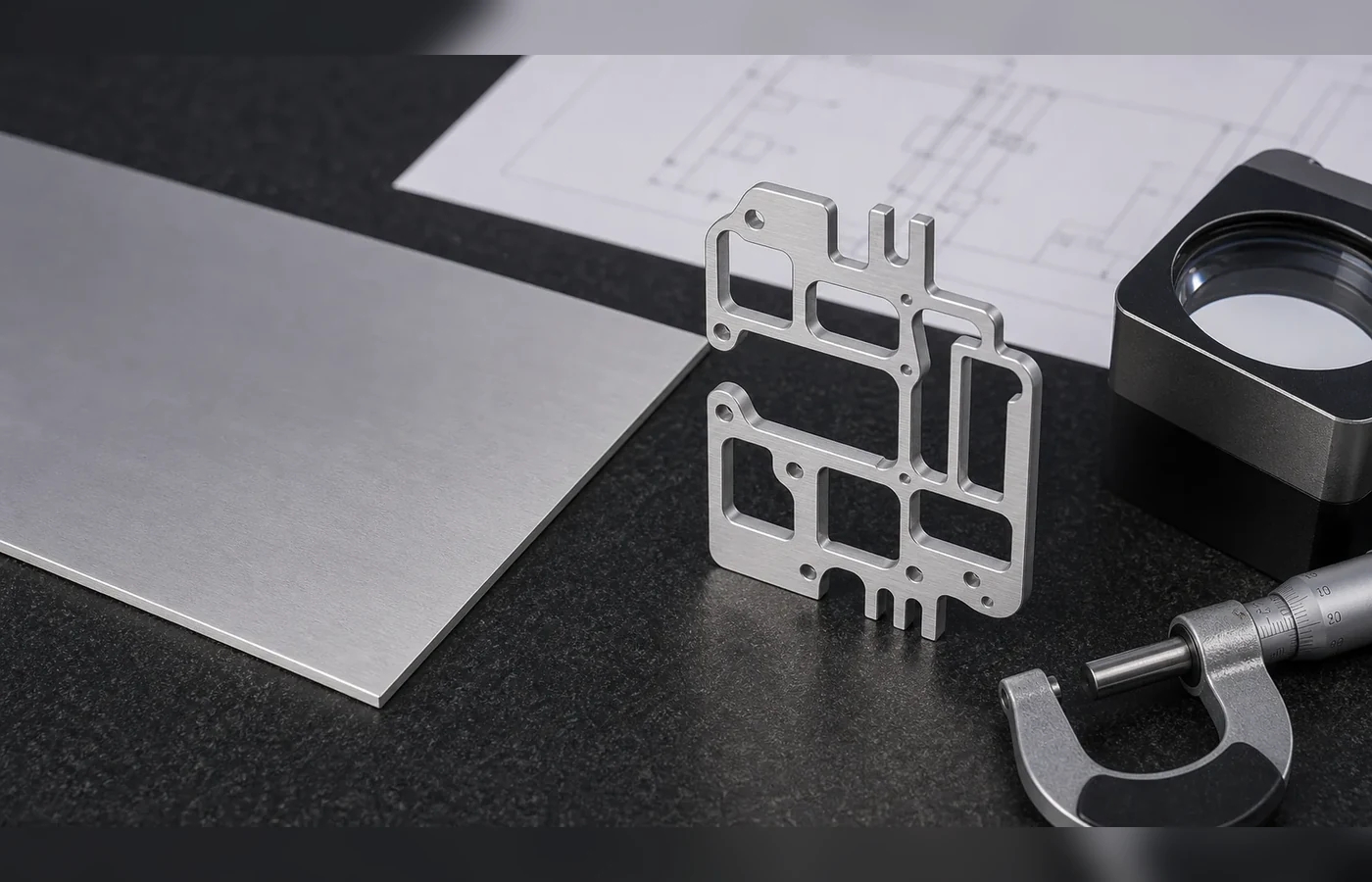
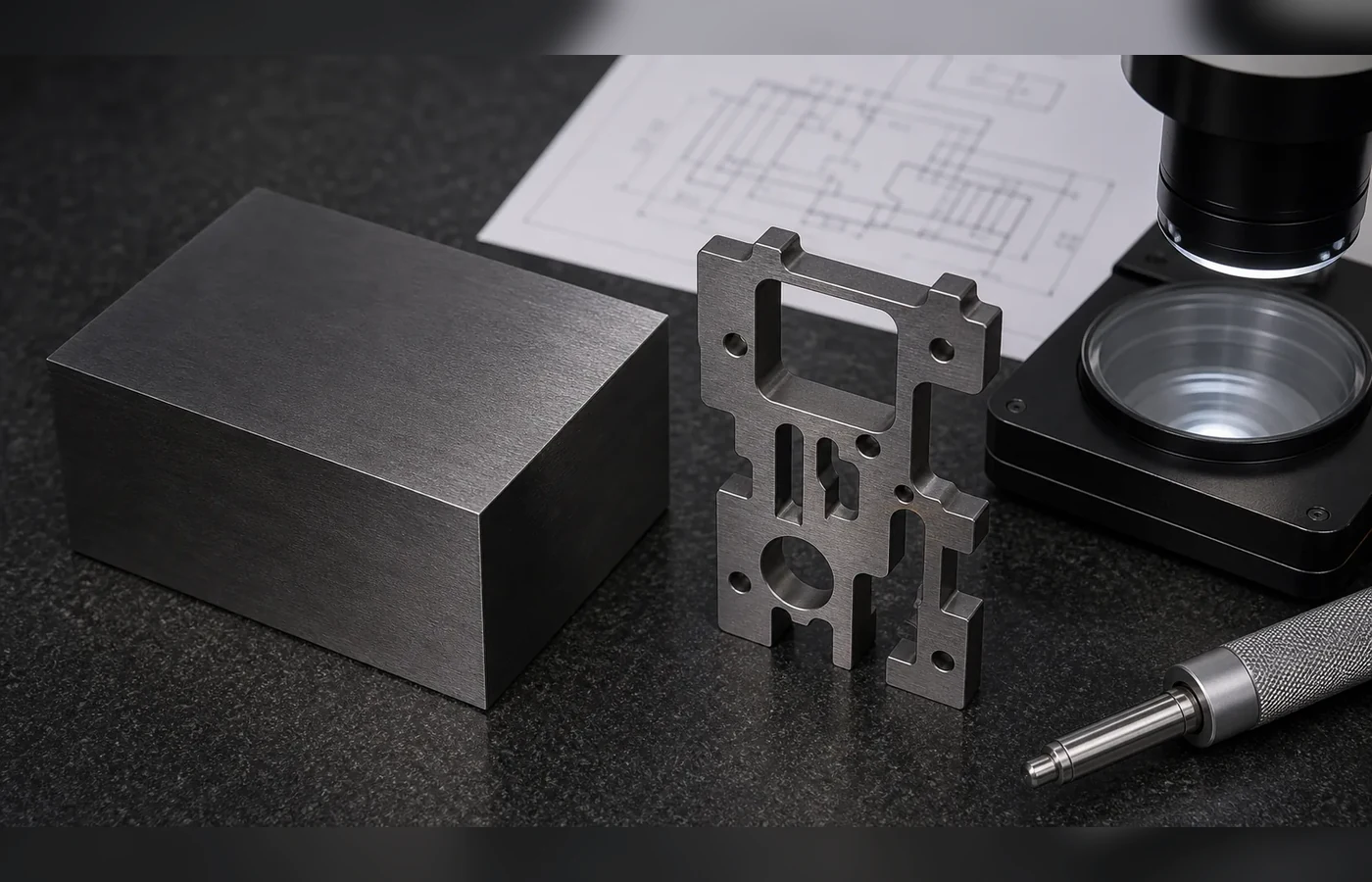
Review EDM machining options by process, material, thickness, tolerance, surface finish and drawing requirement before sending an RFQ.

Browse EDM machining routes by process, material, thickness, tolerance, surface finish and surface-integrity concern. Use these routes to understand feature access, finish, tolerance and inspection requirements before project review.

  • Core EDM Processes
  • Material Review Pages
  • Process × Material Review
  • Thickness / Tolerance / Surface Review
Buyer Navigation

How to Use the EDM Machining Hub

Start from the question closest to your project. A buyer preparing drawings usually needs to confirm the EDM process, material behavior, geometry access, tolerance target and inspection requirement before sending an RFQ.

Start with process

Use Wire EDM, Sinker EDM, Small Hole EDM Drilling or Micro EDM pages when the main question is feature access or machining route.

Then confirm material

Use material pages when heat treatment, conductivity, hardness or surface-integrity risk may affect the quote.

Finish with requirements

Use thickness, tolerance, surface finish and drawing review pages when the part has tight features or inspection-driven requirements.

Capability Snapshot

EDM Project Review at a Glance

Use this snapshot to decide whether your part should be sent for EDM feasibility review. Final process selection depends on the drawing, material, tolerance, surface finish, quantity and inspection requirement.

Processes Wire EDM, Sinker EDM, Small Hole EDM Drilling and Micro EDM for drawing-based project review.
Materials Stainless steel, tool steel, aluminum, copper alloys, titanium, nickel alloys and selected hard materials.
Common Part Features Precision slots, small holes, mold inserts, tooling details, fixtures, internal profiles, prototypes and small-batch parts.
Review Focus Tolerance, thickness, surface finish, recast layer, edge condition, datums and inspection requirements.
Files Accepted STEP, STP, DXF, DWG, PDF, IGS, IGES and ZIP files for EDM feasibility review and quotation.

Buyer Decision Topics

Start with the EDM route that fits your drawing

Compare EDM process fit, material behavior, tolerance, surface finish, surface integrity and drawing requirements before the project is reviewed.

Wire EDM vs. Sinker EDM

Wire EDM is usually better for through profiles and narrow slots while sinker EDM is better for blind cavities ribs and shaped mold features.

  • Feature access
  • Through cut or blind cavity
  • Electrode strategy
  • Tolerance and finish
View Topic

EDM Drawing and RFQ Checklist

A useful EDM RFQ should include drawing files, material grade and condition, thickness or feature depth, critical tolerances, surface requirements, quantity, and inspection expectations.

  • Drawing file type
  • Material grade
  • Critical dimensions
  • Tolerance zone
View Topic

EDM Tolerance Planning

EDM tolerance depends on the process, material condition, section or feature geometry, flushing, finishing-pass strategy, datum control, and inspection method. Assign the tightest value only to the features that control fit and function.

  • Tolerance zone
  • Material thickness
  • Feature stability
  • Skim cuts
View Topic

EDM Surface Finish Planning

EDM surface finish depends on process settings finishing passes material behavior and post-processing requirements. Critical surfaces should be marked clearly on the drawing.

  • Surface finish target
  • Functional surface
  • Skim cut need
  • Post-processing
View Topic

EDM Recast Layer and Surface Integrity

Recast layer matters when the EDM surface affects fatigue contact sealing coating or safety-critical performance. These requirements should be stated before quotation.

  • Critical surface
  • Fatigue or contact function
  • Skim cuts
  • Post-processing
View Topic

When to Use Wire EDM

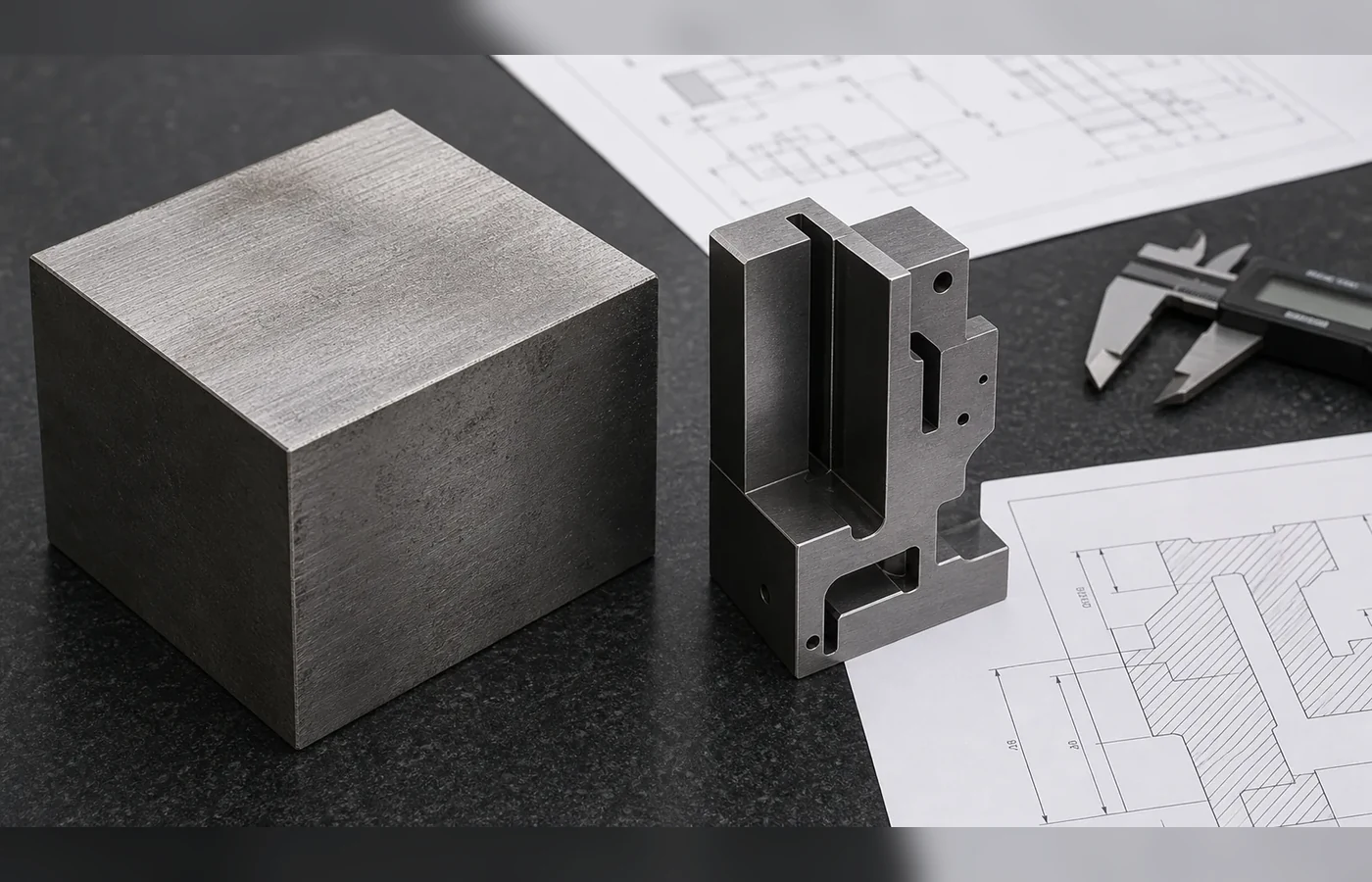
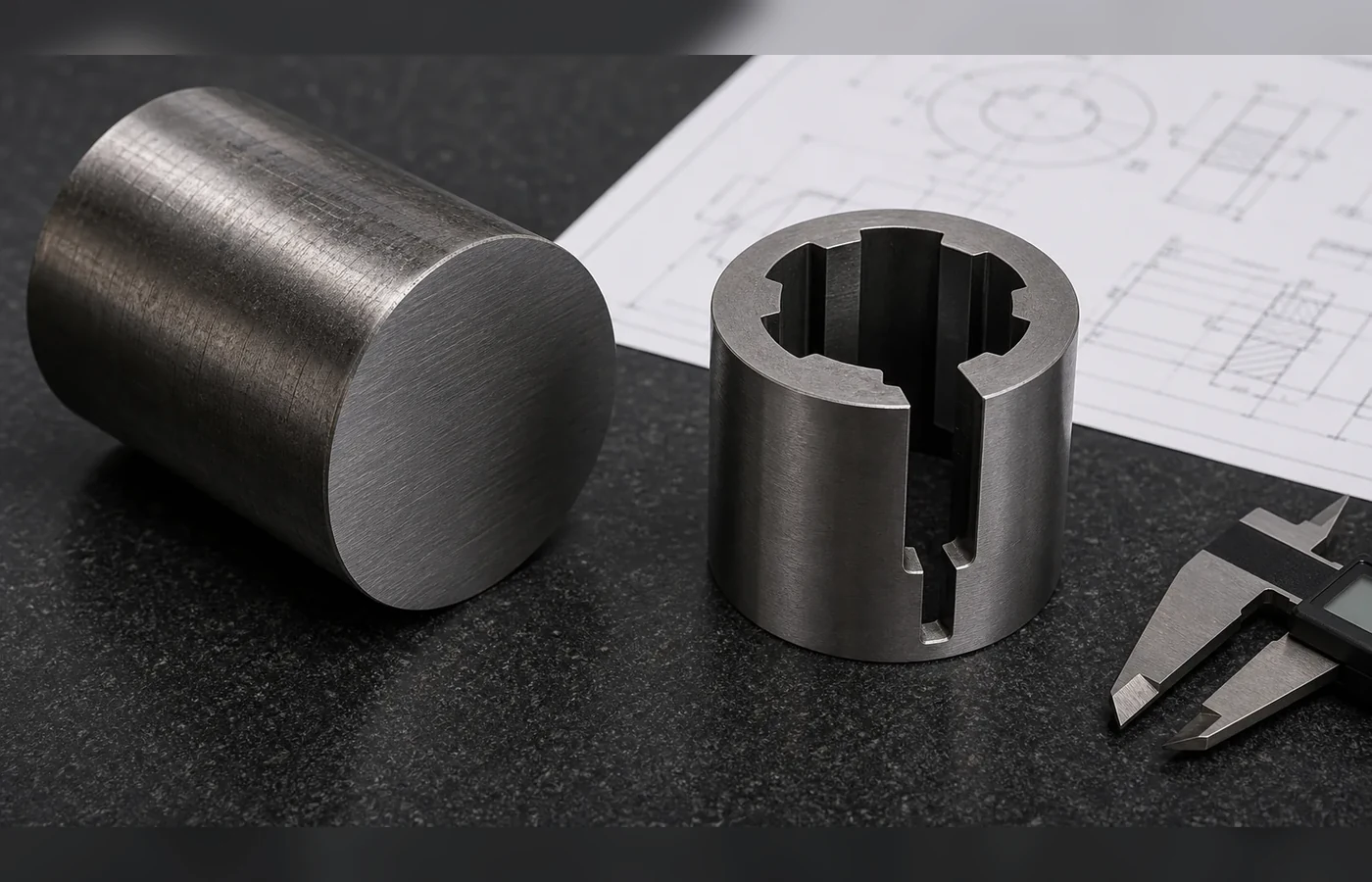
Wire EDM fits conductive parts that need through profiles narrow slots sharp internal corners stable cutting force or accurate contours from flat or block stock.
  • Through profile
  • Slot width
  • Material hardness
  • Part thickness
View Topic

Core EDM Processes

Material Guides

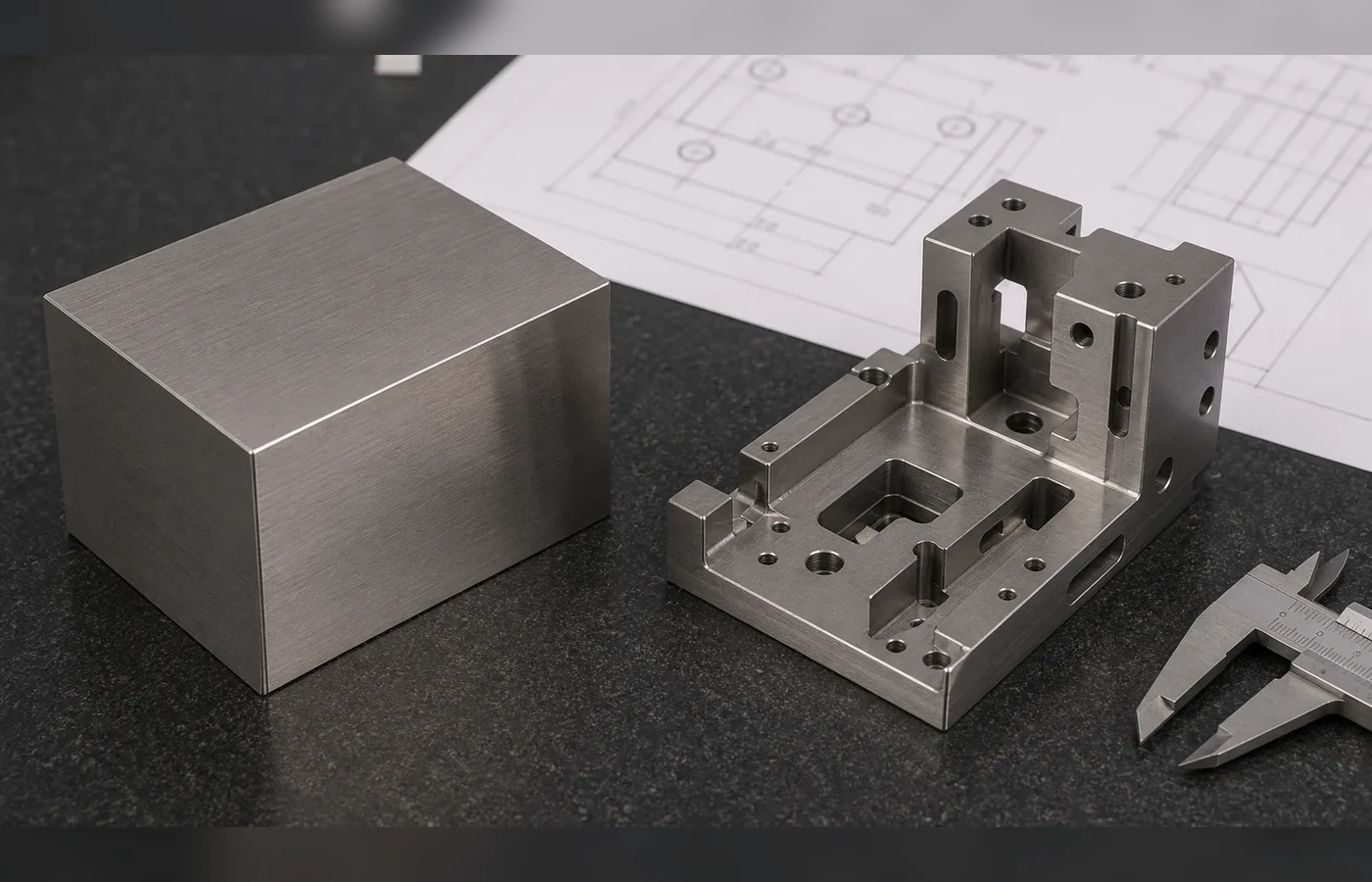
1018 Carbon Steel EDM machined part
Material Review 1018 Carbon Steel EDM Machining 1018 Carbon Steel EDM behavior changes with the supplied condition. The main concern is that soft sections can move under poor clamping and exposed cut faces rust readily. Select the EDM process…
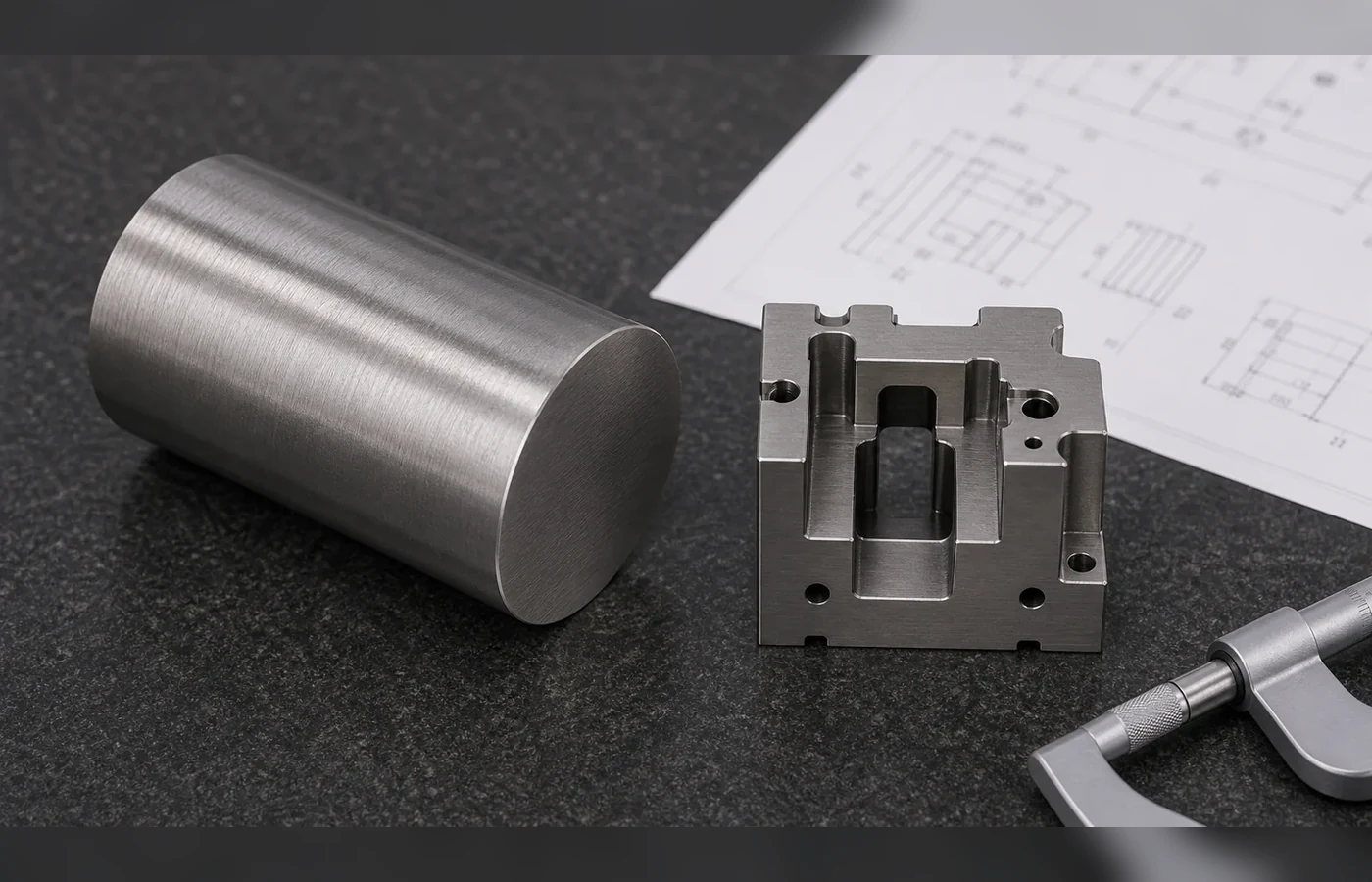
1045 Carbon Steel EDM machined part
Material Review 1045 Carbon Steel EDM Machining 1045 Carbon Steel EDM behavior changes with the supplied condition. The main concern is that hardened thin walls can release residual stress; untreated cut surfaces need corrosion protection. Select the EDM process…
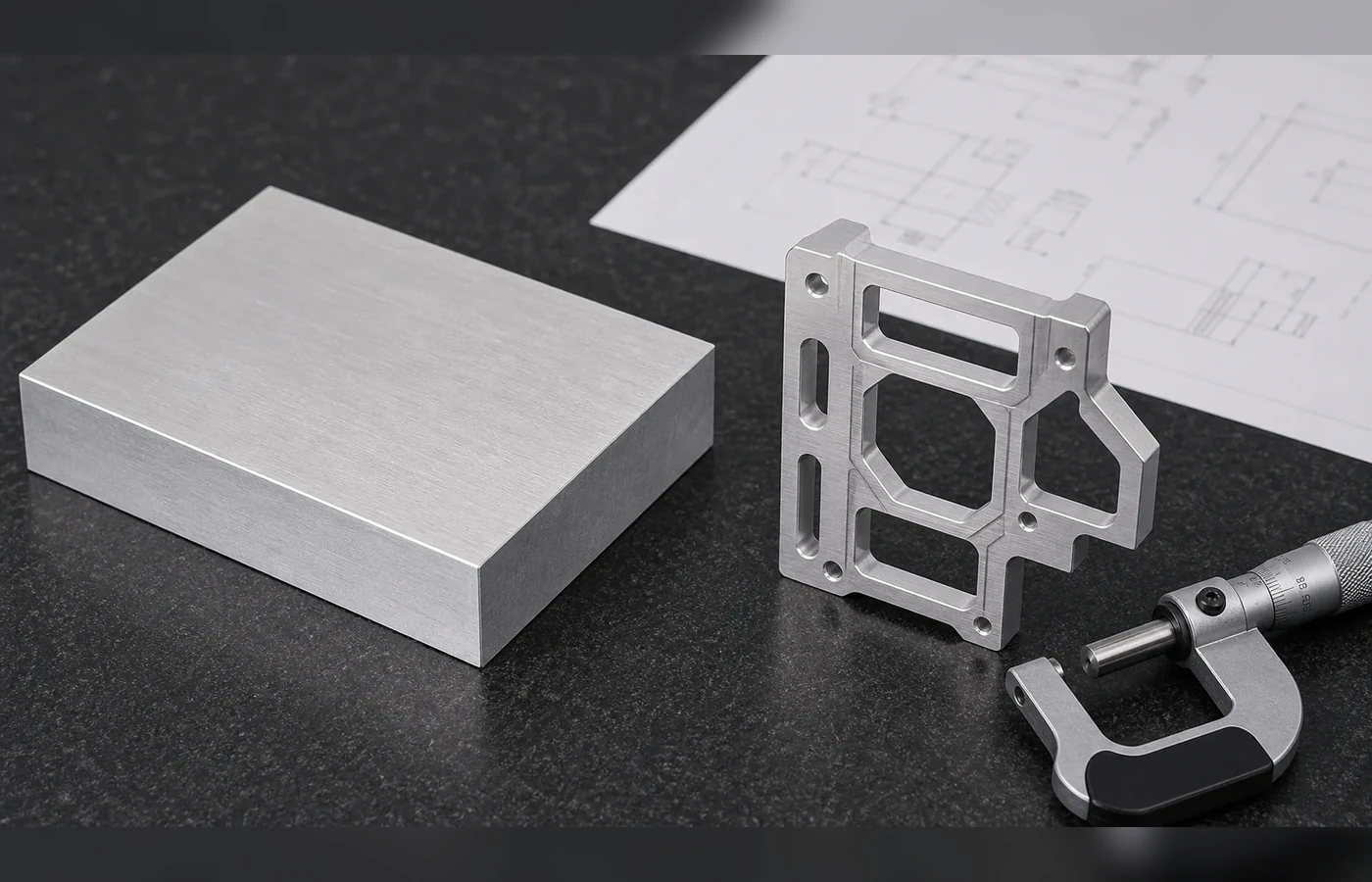
15-5PH Stainless Steel EDM machined part
Material Review 15-5PH Stainless Steel EDM Machining 15-5PH Stainless Steel EDM behavior changes with the supplied condition. The main concern is that aged condition and corrosion-critical surfaces must be identified before selecting finish energy. Select the EDM process from…
17-4PH Stainless Steel EDM machined part
Material Review 17-4PH Stainless Steel EDM Machining 17-4PH Stainless Steel EDM behavior changes with the supplied condition. The main concern is that h900-type hard conditions need different finishing and stress planning from overaged conditions. Select the EDM process from…
2024 Aluminum EDM machined part
Material Review 2024 Aluminum EDM Machining 2024 Aluminum EDM behavior changes with the supplied condition. The main concern is that thin edges and corrosion-sensitive surfaces need support and post-process protection. Select the EDM process from feature access and…
2205 Duplex Stainless Steel EDM machined part
Material Review 2205 Duplex Stainless Steel EDM Machining 2205 Duplex Stainless Steel EDM behavior changes with the supplied condition. The main concern is that surface heating and post-process exposure should not compromise corrosion-critical faces or phase-sensitive requirements. Select the EDM…
3003 Aluminum EDM machined part
Material Review 3003 Aluminum EDM Machining 3003 Aluminum EDM behavior changes with the supplied condition. The main concern is that thin formed stock can bow or mark during clamping, so edge support matters more than hard-material cutting force.…
300M Alloy Steel EDM machined part
Material Review 300M Alloy Steel EDM Machining 300M Alloy Steel EDM behavior changes with the supplied condition. The main concern is that residual stress, fatigue-critical surfaces and recast control dominate over nominal conductivity. Select the EDM process from feature…

Process & Material Guides

Process & Material 1018 Carbon Steel Wire EDM Feasibility Review Wire EDM is suitable for 1018 Carbon Steel when the wire can pass completely through the workpiece from an edge or a start hole. The supplied condition controls support, finishing, surface integrity,… Process & Material 1045 Carbon Steel Wire EDM Feasibility Review Wire EDM is suitable for 1045 Carbon Steel when the wire can pass completely through the workpiece from an edge or a start hole. The supplied condition controls support, finishing, surface integrity,… Process & Material 15-5PH Stainless Steel Wire EDM Feasibility Review Wire EDM is suitable for 15-5PH Stainless Steel when the wire can pass completely through the workpiece from an edge or a start hole. The supplied condition controls support, finishing, surface integrity,… Process & Material 17-4PH Stainless Steel Wire EDM Feasibility Review Wire EDM is suitable for 17-4PH Stainless Steel when the wire can pass completely through the workpiece from an edge or a start hole. The supplied condition controls support, finishing, surface integrity,… Process & Material 2024 Aluminum Wire EDM Feasibility Review Wire EDM is suitable for 2024 Aluminum when the wire can pass completely through the workpiece from an edge or a start hole. The supplied condition controls support, finishing, surface integrity, and… Process & Material 2205 Duplex Stainless Steel Wire EDM Feasibility Review Wire EDM is suitable for 2205 Duplex Stainless Steel when the wire can pass completely through the workpiece from an edge or a start hole. The supplied condition controls support, finishing, surface… Process & Material 300M Alloy Steel Wire EDM Feasibility Review Wire EDM is suitable for 300M Alloy Steel when the wire can pass completely through the workpiece from an edge or a start hole. The supplied condition controls support, finishing, surface integrity,… Process & Material 304 Stainless Steel Wire EDM Feasibility Review Wire EDM is suitable for 304 Stainless Steel when the wire can pass completely through the workpiece from an edge or a start hole. The supplied condition controls support, finishing, surface integrity,…

Thickness / Tolerance / Surface Guides

Process & Material 1018 Carbon Steel Wire EDM Thickness Review (0.5–1 Mm Thin Sheet) Wire EDM on 1018 Carbon Steel at 0.5–1 mm thin sheet: Thin sheet is fast to cut but must be supported against vibration, bowing and flushing pressure. The material plan must also… Process & Material 1018 Carbon Steel Wire EDM Thickness Review (100–200 Mm) Wire EDM on 1018 Carbon Steel at 100–200 mm: High cutting height increases wire lag and debris-control risk; verticality and finish should be assigned only where functional. The material plan must also… Process & Material 1018 Carbon Steel Wire EDM Thickness Review (1–5 Mm) Wire EDM on 1018 Carbon Steel at 1–5 mm: This section is usually straightforward; corner radius, part support and finish-pass strategy have more influence than cutting height. The material plan must also… Process & Material 1018 Carbon Steel Wire EDM Thickness Review (200–300 Mm) Wire EDM on 1018 Carbon Steel at 200–300 mm: Very tall wire cutting is slow and sensitive to flushing, wire lag and verticality; use realistic profile and finish callouts. The material plan… Process & Material 1018 Carbon Steel Wire EDM Thickness Review (20–50 Mm) Wire EDM on 1018 Carbon Steel at 20–50 mm: Cutting height begins to affect flushing, taper and verticality; finish passes need stable guides and a controlled water path. The material plan must… Process & Material 1018 Carbon Steel Wire EDM Thickness Review (50–100 Mm) Wire EDM on 1018 Carbon Steel at 50–100 mm: Tall sections require closer control of flushing, wire lag, taper and top-to-bottom profile agreement. The material plan must also support stress-sensitive sections, protect… Process & Material 1018 Carbon Steel Wire EDM Thickness Review (5–20 Mm) Wire EDM on 1018 Carbon Steel at 5–20 mm: A common production range with stable flushing; inside radius, kerf and pass count usually drive the final profile. The material plan must also… Process & Material 1018 Carbon Steel Wire EDM Thickness Review (<0.5 Mm Foil / Thin Sheet) Wire EDM on 1018 Carbon Steel at <0.5 mm foil / thin sheet: Thin foil needs low wire tension, gentle flushing and full support to prevent vibration or edge pull. The material…
Project Confidence

Sample Parts, Inspection Support and Drawing Review

Use these pages to review EDM feature examples, quality coordination steps and RFQ details before a quotation request is reviewed.

Browse EDM Directory

EDM Machining Directory

Browse service, material, process-material, thickness, tolerance, surface finish and surface-integrity pages from the same Hub without searching through every EDM topic manually.

Core EDM Services

Primary EDM process pages for wire EDM, sinker EDM, small hole EDM and micro EDM service review.

Material Review Pages

Material-specific EDM review pages for steels, aluminum, copper alloys, titanium, nickel alloys and other conductive materials.

Showing 12 of 67 Browse all 67
Material Review 1018 Carbon Steel EDM Machining 1018 Carbon Steel EDM behavior changes with the supplied condition. The main concern is that soft sections can move under poor clamping and exposed cut faces rust readily. Select the EDM process… Material Review 1045 Carbon Steel EDM Machining 1045 Carbon Steel EDM behavior changes with the supplied condition. The main concern is that hardened thin walls can release residual stress; untreated cut surfaces need corrosion protection. Select the EDM process… Material Review 15-5PH Stainless Steel EDM Machining 15-5PH Stainless Steel EDM behavior changes with the supplied condition. The main concern is that aged condition and corrosion-critical surfaces must be identified before selecting finish energy. Select the EDM process from… Material Review 17-4PH Stainless Steel EDM Machining 17-4PH Stainless Steel EDM behavior changes with the supplied condition. The main concern is that h900-type hard conditions need different finishing and stress planning from overaged conditions. Select the EDM process from… Material Review 2024 Aluminum EDM Machining 2024 Aluminum EDM behavior changes with the supplied condition. The main concern is that thin edges and corrosion-sensitive surfaces need support and post-process protection. Select the EDM process from feature access and… Material Review 2205 Duplex Stainless Steel EDM Machining 2205 Duplex Stainless Steel EDM behavior changes with the supplied condition. The main concern is that surface heating and post-process exposure should not compromise corrosion-critical faces or phase-sensitive requirements. Select the EDM… Material Review 3003 Aluminum EDM Machining 3003 Aluminum EDM behavior changes with the supplied condition. The main concern is that thin formed stock can bow or mark during clamping, so edge support matters more than hard-material cutting force.… Material Review 300M Alloy Steel EDM Machining 300M Alloy Steel EDM behavior changes with the supplied condition. The main concern is that residual stress, fatigue-critical surfaces and recast control dominate over nominal conductivity. Select the EDM process from feature… Material Review 304 Stainless Steel EDM Machining 304 Stainless Steel EDM behavior changes with the supplied condition. The main concern is that cold-worked areas and thin features can retain stress, while critical corrosion surfaces need a defined finish route.… Material Review 316L Stainless Steel EDM Machining 316L Stainless Steel EDM behavior changes with the supplied condition. The main concern is that surface contamination, recast condition and post-process cleanliness matter on wetted or hygienic faces. Select the EDM process… Material Review 410 Stainless Steel EDM Machining 410 Stainless Steel EDM behavior changes with the supplied condition. The main concern is that hardness and temper condition must be tied to distortion, edge integrity and final corrosion expectations. Select the… Material Review 4140 Alloy Steel EDM Machining 4140 Alloy Steel EDM behavior changes with the supplied condition. The main concern is that heat-treatment stress can move slender profiles, and fatigue surfaces need selective low-energy finishing. Select the EDM process…

Process × Material Review

Pages that match a specific EDM process with a specific material grade for drawing-based feasibility review.

Showing 12 of 268 Browse all 268
Process & Material 1018 Carbon Steel Micro EDM Feasibility Review Micro EDM is suitable for 1018 Carbon Steel when the feature is a micro hole, micro slot, miniature cavity, fine pin, or other sub-millimeter detail. The supplied condition controls support, finishing, surface… Process & Material 1018 Carbon Steel Sinker EDM Feasibility Review Sinker EDM is suitable for 1018 Carbon Steel when the feature is a blind cavity, rib, pocket, or internal form that a shaped electrode can reach from one side. The supplied condition… Process & Material 1018 Carbon Steel Small Hole EDM Drilling Feasibility Review Small Hole EDM is suitable for 1018 Carbon Steel when the feature is a small, deep, angled, cooling, vent, or start hole in conductive material. The supplied condition controls support, finishing, surface… Process & Material 1018 Carbon Steel Wire EDM Feasibility Review Wire EDM is suitable for 1018 Carbon Steel when the wire can pass completely through the workpiece from an edge or a start hole. The supplied condition controls support, finishing, surface integrity,… Process & Material 1045 Carbon Steel Micro EDM Feasibility Review Micro EDM is suitable for 1045 Carbon Steel when the feature is a micro hole, micro slot, miniature cavity, fine pin, or other sub-millimeter detail. The supplied condition controls support, finishing, surface… Process & Material 1045 Carbon Steel Sinker EDM Feasibility Review Sinker EDM is suitable for 1045 Carbon Steel when the feature is a blind cavity, rib, pocket, or internal form that a shaped electrode can reach from one side. The supplied condition… Process & Material 1045 Carbon Steel Small Hole EDM Drilling Feasibility Review Small Hole EDM is suitable for 1045 Carbon Steel when the feature is a small, deep, angled, cooling, vent, or start hole in conductive material. The supplied condition controls support, finishing, surface… Process & Material 1045 Carbon Steel Wire EDM Feasibility Review Wire EDM is suitable for 1045 Carbon Steel when the wire can pass completely through the workpiece from an edge or a start hole. The supplied condition controls support, finishing, surface integrity,… Process & Material 15-5PH Stainless Steel Micro EDM Feasibility Review Micro EDM is suitable for 15-5PH Stainless Steel when the feature is a micro hole, micro slot, miniature cavity, fine pin, or other sub-millimeter detail. The supplied condition controls support, finishing, surface… Process & Material 15-5PH Stainless Steel Sinker EDM Feasibility Review Sinker EDM is suitable for 15-5PH Stainless Steel when the feature is a blind cavity, rib, pocket, or internal form that a shaped electrode can reach from one side. The supplied condition… Process & Material 15-5PH Stainless Steel Small Hole EDM Drilling Feasibility Review Small Hole EDM is suitable for 15-5PH Stainless Steel when the feature is a small, deep, angled, cooling, vent, or start hole in conductive material. The supplied condition controls support, finishing, surface… Process & Material 15-5PH Stainless Steel Wire EDM Feasibility Review Wire EDM is suitable for 15-5PH Stainless Steel when the wire can pass completely through the workpiece from an edge or a start hole. The supplied condition controls support, finishing, surface integrity,…

Thickness Review Pages

Wire EDM and micro EDM thickness-range pages for checking cutting access, stability, flushing and inspection concerns before quotation.

Showing 12 of 1,985 Browse all 1,985
Process & Material 1018 Carbon Steel EDM Thickness Review (300–500 Mm) Micro EDM on 1018 Carbon Steel at 300–500 mm: Micro EDM at this reach is exceptional and normally replaced by a different manufacturing route or redesigned access. The material plan must also… Process & Material 1018 Carbon Steel EDM Thickness Review (500 Mm+) Micro EDM on 1018 Carbon Steel at 500 mm+: Micro EDM is generally not selected for miniature features reached through more than 500 mm of stock. The material plan must also support… Process & Material 1018 Carbon Steel Micro EDM Thickness Review (0.5–1 Mm Thin Sheet) Micro EDM on 1018 Carbon Steel at 0.5–1 mm thin sheet: Feature size, support and inspection resolution remain the main controls in thin sheet. The material plan must also support stress-sensitive sections,… Process & Material 1018 Carbon Steel Micro EDM Thickness Review (100–200 Mm) Micro EDM on 1018 Carbon Steel at 100–200 mm: Micro features at this access depth are specialized work because electrode stiffness and measurement become limiting. The material plan must also support stress-sensitive… Process & Material 1018 Carbon Steel Micro EDM Thickness Review (1–5 Mm) Micro EDM on 1018 Carbon Steel at 1–5 mm: Small feature size and electrode stability matter more than the stock section in this range. The material plan must also support stress-sensitive sections,… Process & Material 1018 Carbon Steel Micro EDM Thickness Review (200–300 Mm) Micro EDM on 1018 Carbon Steel at 200–300 mm: This access depth is outside ordinary micro work and should be treated as a special setup rather than a routine range. The material… Process & Material 1018 Carbon Steel Micro EDM Thickness Review (20–50 Mm) Micro EDM on 1018 Carbon Steel at 20–50 mm: Longer access increases micro-electrode deflection and inspection difficulty even when the feature itself remains small. The material plan must also support stress-sensitive sections,… Process & Material 1018 Carbon Steel Micro EDM Thickness Review (50–100 Mm) Micro EDM on 1018 Carbon Steel at 50–100 mm: Deep access can dominate cycle stability; specialized electrodes and metrology may be required. The material plan must also support stress-sensitive sections, protect fresh-cut… Process & Material 1018 Carbon Steel Micro EDM Thickness Review (5–20 Mm) Micro EDM on 1018 Carbon Steel at 5–20 mm: Stock thickness affects access, but micro feature size, electrode wear and measurement remain the primary limits. The material plan must also support stress-sensitive… Process & Material 1018 Carbon Steel Micro EDM Thickness Review (<0.5 Mm Foil / Thin Sheet) Micro EDM on 1018 Carbon Steel at <0.5 mm foil / thin sheet: Thin stock simplifies access but raises clamping and heat-distortion sensitivity around miniature features. The material plan must also support… Process & Material 1018 Carbon Steel Sinker EDM Thickness Review (0.5–1 Mm Thin Sheet) Sinker EDM on 1018 Carbon Steel at 0.5–1 mm thin sheet: The sheet thickness does not define cavity capability; local wall support and electrode access do. The material plan must also support… Process & Material 1018 Carbon Steel Sinker EDM Thickness Review (100–200 Mm) Sinker EDM on 1018 Carbon Steel at 100–200 mm: Large stock height affects reach and fixture design, not the cavity decision itself; use actual cavity geometry for planning. The material plan must…

Tolerance & Surface Review Pages

Tolerance and surface finish pages for drawings that specify precision, skim cuts, fine EDM finish or inspection-sensitive details.

Showing 12 of 6,420 Browse all 6,420
Process & Material 1018 Carbon Steel Micro EDM General Tolerance + Fine Finish Review Micro EDM on 1018 Carbon Steel: ±0.025–0.050 mm controls selected dimensions, while Ra 0.8–1.6 μm is reserved for functional faces. Electrode wear and measurement resolution can consume the tolerance while low-energy finishing… Process & Material 1018 Carbon Steel Micro EDM General Tolerance + Mirror / Post-finished EDM Surface Finish Review Micro EDM on 1018 Carbon Steel: ±0.025–0.050 mm controls selected dimensions, while Ra 0.1–0.4 μm is reserved for functional faces. Electrode wear and measurement resolution can consume the tolerance while low-energy finishing… Process & Material 1018 Carbon Steel Micro EDM General Tolerance + Rough EDM Cut Finish Review Micro EDM on 1018 Carbon Steel: ±0.025–0.050 mm controls selected dimensions, while Ra 2.0–3.2 μm is reserved for functional faces. Electrode wear and measurement resolution can consume the tolerance while low-energy finishing… Process & Material 1018 Carbon Steel Micro EDM General Tolerance + Skim Cut / Fine Pass Finish Review Micro EDM on 1018 Carbon Steel: ±0.025–0.050 mm controls selected dimensions, while Ra 0.4–0.8 μm is reserved for functional faces. Electrode wear and measurement resolution can consume the tolerance while low-energy finishing… Process & Material 1018 Carbon Steel Micro EDM General Tolerance + Standard Finish Review Micro EDM on 1018 Carbon Steel: ±0.025–0.050 mm controls selected dimensions, while Ra 1.6–3.2 μm is reserved for functional faces. Electrode wear and measurement resolution can consume the tolerance while low-energy finishing… Process & Material 1018 Carbon Steel Micro EDM High Precision Tolerance + Fine Finish Review Micro EDM on 1018 Carbon Steel: ±0.005–0.010 mm controls selected dimensions, while Ra 0.8–1.6 μm is reserved for functional faces. Electrode wear and measurement resolution can consume the tolerance while low-energy finishing… Process & Material 1018 Carbon Steel Micro EDM High Precision Tolerance + Mirror / Post-finished EDM Surface Finish Review Micro EDM on 1018 Carbon Steel: ±0.005–0.010 mm controls selected dimensions, while Ra 0.1–0.4 μm is reserved for functional faces. Electrode wear and measurement resolution can consume the tolerance while low-energy finishing… Process & Material 1018 Carbon Steel Micro EDM High Precision Tolerance + Rough EDM Cut Finish Review Micro EDM on 1018 Carbon Steel: ±0.005–0.010 mm controls selected dimensions, while Ra 2.0–3.2 μm is reserved for functional faces. Electrode wear and measurement resolution can consume the tolerance while low-energy finishing… Process & Material 1018 Carbon Steel Micro EDM High Precision Tolerance + Skim Cut / Fine Pass Finish Review Micro EDM on 1018 Carbon Steel: ±0.005–0.010 mm controls selected dimensions, while Ra 0.4–0.8 μm is reserved for functional faces. Electrode wear and measurement resolution can consume the tolerance while low-energy finishing… Process & Material 1018 Carbon Steel Micro EDM High Precision Tolerance + Standard Finish Review Micro EDM on 1018 Carbon Steel: ±0.005–0.010 mm controls selected dimensions, while Ra 1.6–3.2 μm is reserved for functional faces. Electrode wear and measurement resolution can consume the tolerance while low-energy finishing… Process & Material 1018 Carbon Steel Micro EDM Precision Tolerance + Fine Finish Review Micro EDM on 1018 Carbon Steel: ±0.010–0.020 mm controls selected dimensions, while Ra 0.8–1.6 μm is reserved for functional faces. Electrode wear and measurement resolution can consume the tolerance while low-energy finishing… Process & Material 1018 Carbon Steel Micro EDM Precision Tolerance + Mirror / Post-finished EDM Surface Finish Review Micro EDM on 1018 Carbon Steel: ±0.010–0.020 mm controls selected dimensions, while Ra 0.1–0.4 μm is reserved for functional faces. Electrode wear and measurement resolution can consume the tolerance while low-energy finishing…

Surface Integrity / Recast Layer

Surface integrity, recast layer and post-processing review pages for EDM parts where edge condition, micro-crack risk or finishing requirements matter.

Showing 12 of 2,298 Browse all 2,298
EDM Service 1018 Carbon Steel Micro EDM Surface Integrity Review for Aerospace Engine / Turbine Components Aerospace Engine / Turbine Components: Micro EDM on 1018 Carbon Steel must control critical profiles, hole location, surface integrity, material certs, inspection reports. The key failure is recast, microcracks or edge damage… EDM Service 1018 Carbon Steel Micro EDM Surface Integrity Review for Aerospace Structural Components Aerospace Structural Components: Micro EDM on 1018 Carbon Steel must control datum scheme, profile tolerance, thickness and edge condition. The key failure is flatness loss, residual-stress movement or thermal damage on fatigue-sensitive… EDM Service 1018 Carbon Steel Micro EDM Surface Integrity Review for Dental Tooling & Implant Components Dental Tooling & Implant Components: Micro EDM on 1018 Carbon Steel must control surface finish, burr/recast, material traceability. The key failure is particle-trapping edges, unreviewed recast or incomplete material and inspection records;… EDM Service 1018 Carbon Steel Micro EDM Surface Integrity Review for Medical Device Components Medical Device Components: Micro EDM on 1018 Carbon Steel must control critical dimensions, surface finish, burr/recast, documentation. The key failure is burrs, recast or incomplete documentation on patient-contact, fatigue or cleanable features;… EDM Service 1018 Carbon Steel Micro EDM Surface Integrity Review for Microfluidics & Lab Devices Microfluidics & Lab Devices: Micro EDM on 1018 Carbon Steel must control feature size, aspect ratio, burr/recast, inspection method. The key failure is blocked flow paths, edge damage or inspection methods that… EDM Service 1018 Carbon Steel Micro EDM Surface Integrity Review for Semiconductor Tooling Semiconductor Tooling: Micro EDM on 1018 Carbon Steel must control flatness, edge condition, micro features, material control. The key failure is particle generation, edge damage or pitch accumulation across repeated micro features;… EDM Service 1018 Carbon Steel Sinker EDM Surface Integrity Review for Aerospace Engine / Turbine Components Aerospace Engine / Turbine Components: Sinker EDM on 1018 Carbon Steel must control critical profiles, hole location, surface integrity, material certs, inspection reports. The key failure is recast, microcracks or edge damage… EDM Service 1018 Carbon Steel Sinker EDM Surface Integrity Review for Aerospace Structural Components Aerospace Structural Components: Sinker EDM on 1018 Carbon Steel must control datum scheme, profile tolerance, thickness and edge condition. The key failure is flatness loss, residual-stress movement or thermal damage on fatigue-sensitive… EDM Service 1018 Carbon Steel Sinker EDM Surface Integrity Review for Dental Tooling & Implant Components Dental Tooling & Implant Components: Sinker EDM on 1018 Carbon Steel must control surface finish, burr/recast, material traceability. The key failure is particle-trapping edges, unreviewed recast or incomplete material and inspection records;… EDM Service 1018 Carbon Steel Sinker EDM Surface Integrity Review for Medical Device Components Medical Device Components: Sinker EDM on 1018 Carbon Steel must control critical dimensions, surface finish, burr/recast, documentation. The key failure is burrs, recast or incomplete documentation on patient-contact, fatigue or cleanable features;… EDM Service 1018 Carbon Steel Sinker EDM Surface Integrity Review for Microfluidics & Lab Devices Microfluidics & Lab Devices: Sinker EDM on 1018 Carbon Steel must control feature size, aspect ratio, burr/recast, inspection method. The key failure is blocked flow paths, edge damage or inspection methods that… EDM Service 1018 Carbon Steel Sinker EDM Surface Integrity Review for Semiconductor Tooling Semiconductor Tooling: Sinker EDM on 1018 Carbon Steel must control flatness, edge condition, micro features, material control. The key failure is particle generation, edge damage or pitch accumulation across repeated micro features;…
EDM RFQ Support

Send Your Drawing for EDM Review

Upload STEP, STP, DXF, DWG, PDF, IGS, IGES or ZIP files. Include material, thickness, tolerance, surface finish, quantity and any inspection requirements so we can review process fit before quoting.