
Researchers Optimize EDM Parameters for X37CrMoV5-1 Tool Steel Using Taguchi and Regression Analysis
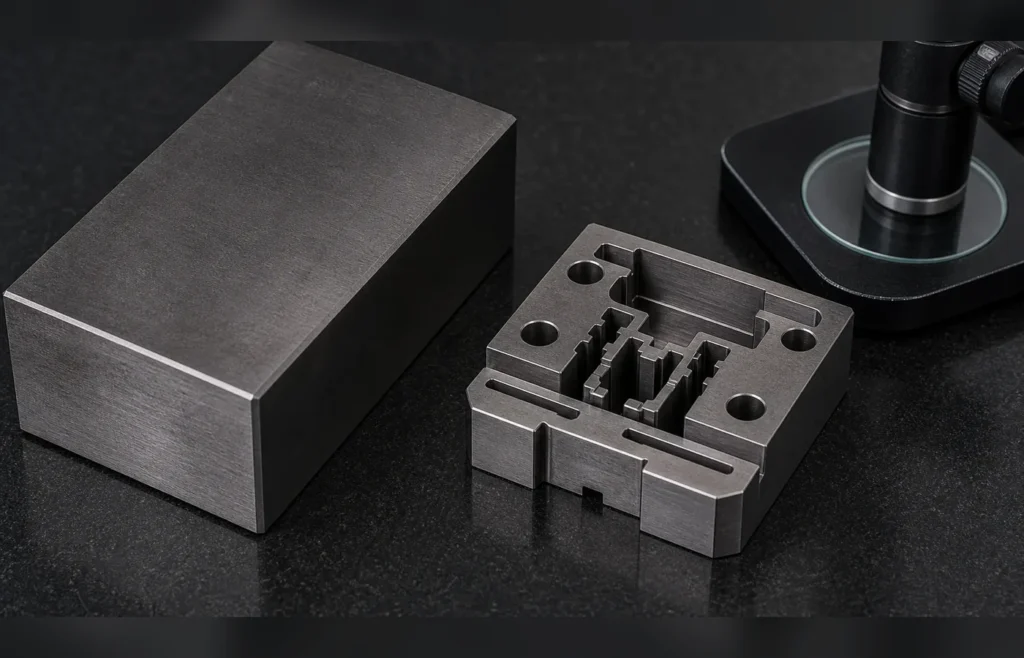
Electrical discharge machining (EDM) continues to evolve as a critical process for shaping hard-to-machine materials. Among these, tool steels like X37CrMoV5-1 are widely used in dies and molds, yet achieving optimal machining efficiency and surface quality often requires careful parameter selection. A new study published in Nature employs the Taguchi method combined with regression analysis to systematically optimize EDM parameters for this specific tool steel.
Study Methodology
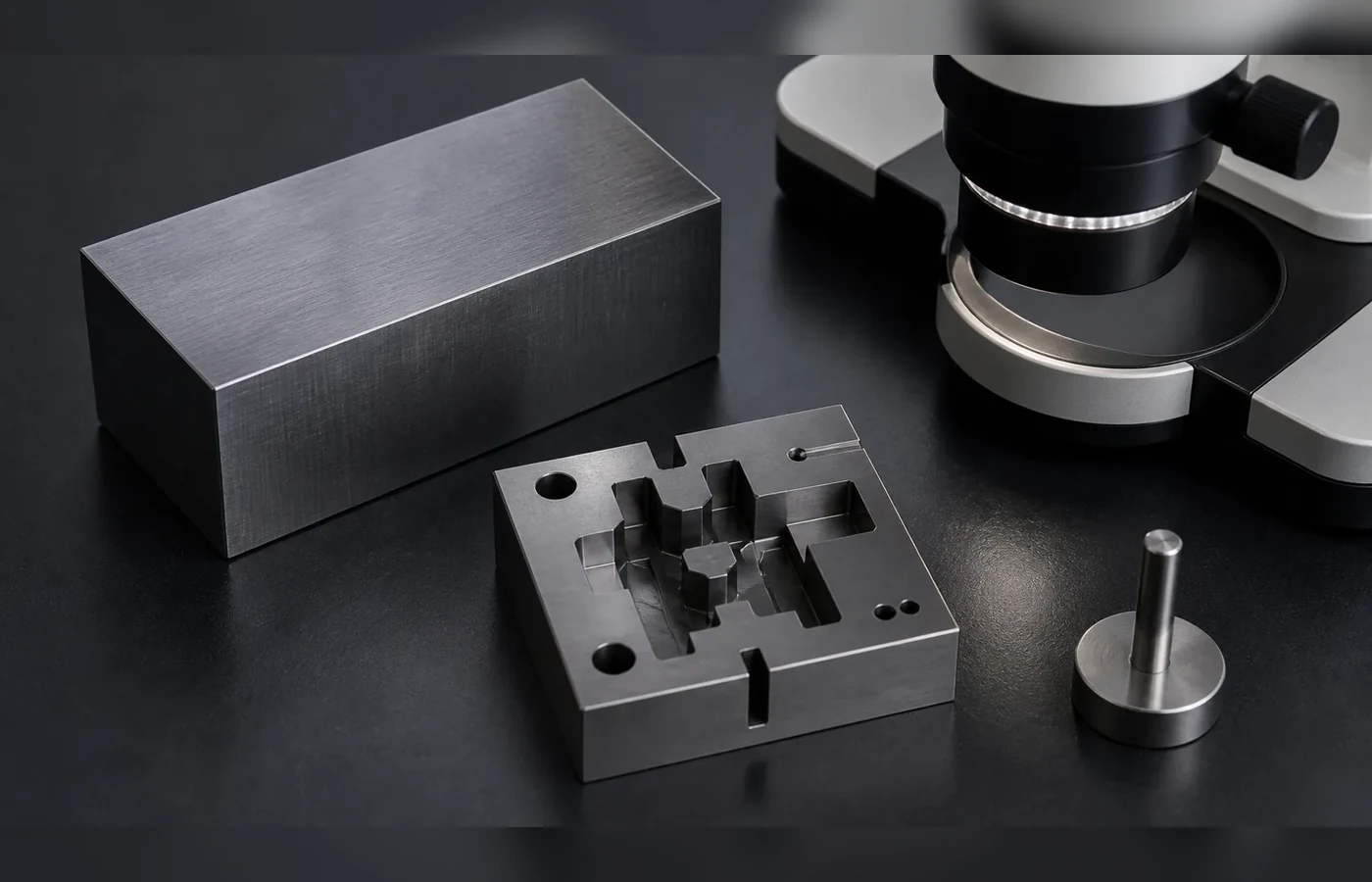
The research team designed experiments using an orthogonal array to evaluate key EDM parameters, including current, pulse duration, and duty cycle. By applying the Taguchi method, they identified the signal-to-noise ratios for multiple performance characteristics such as material removal rate and electrode wear. Regression analysis then established mathematical models linking input parameters to outputs, enabling prediction of optimal settings.
This combined statistical approach reduces the number of experimental runs needed and provides a robust framework for parameter optimization. The study focuses on micro-EDM conditions, where precision is paramount.
Key Findings
Results indicate that current has the most significant influence on material removal rate, while pulse duration primarily affects surface roughness. The optimized parameters yielded improved machining efficiency without compromising workpiece integrity. Regression models showed high correlation with experimental data, validating the methodology.
These findings are particularly relevant for industries requiring fine features and tight tolerances in tool steel components, such as injection molding and stamping.
Implications for Micro EDM Machining
The study underscores the potential of statistical optimization in Micro EDM Machining, where even slight parameter adjustments can significantly affect outcomes. By applying Taguchi and regression techniques, manufacturers can reduce trial-and-error and achieve consistent results when machining tool steels like X37CrMoV5-1. This aligns with ongoing efforts to enhance precision and efficiency in EDM applications.
For shops working with similar materials, the methodology offers a template for their own parameter studies, potentially reducing setup time and scrap rates.
Broader Context
Tool steel EDM has long been a challenge due to the material’s hardness and thermal properties. The recent research adds to a growing body of knowledge on EDM for Tool Steel, providing data-driven insights that can be translated into practical guidelines. As micro-EDM expands into medical and aerospace applications, such systematic optimizations become increasingly valuable.
The open question remains: how easily can these laboratory-derived parameters be adapted to industrial production environments with varying machine conditions and part geometries?
Why This Matters
This research demonstrates a systematic, data-driven approach to EDM parameter optimization for tool steel, reducing reliance on empirical trial-and-error. Such methodologies can accelerate process development for dies, molds, and precision components, directly impacting productivity and quality in manufacturing sectors like automotive and aerospace.