
Powercore Aims To Bring Sinker EDM Capabilities To Standard 3D Printers
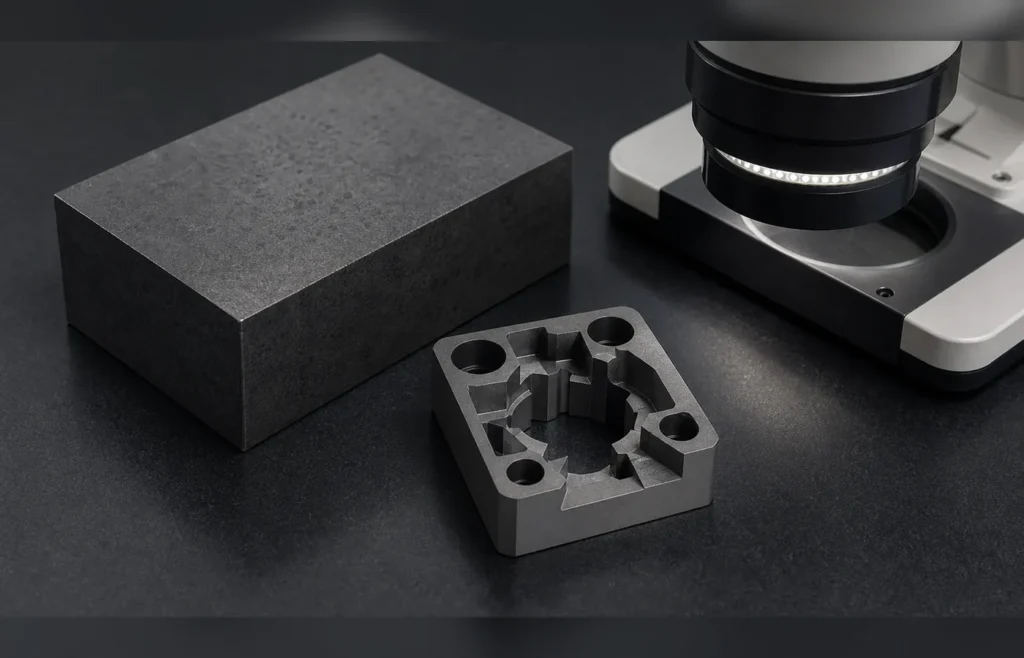
A startup called Powercore is developing technology that would allow any standard 3D printer to perform sinker electrical discharge machining (EDM), a manufacturing process traditionally confined to dedicated industrial equipment.
A New Hybrid Manufacturing Approach
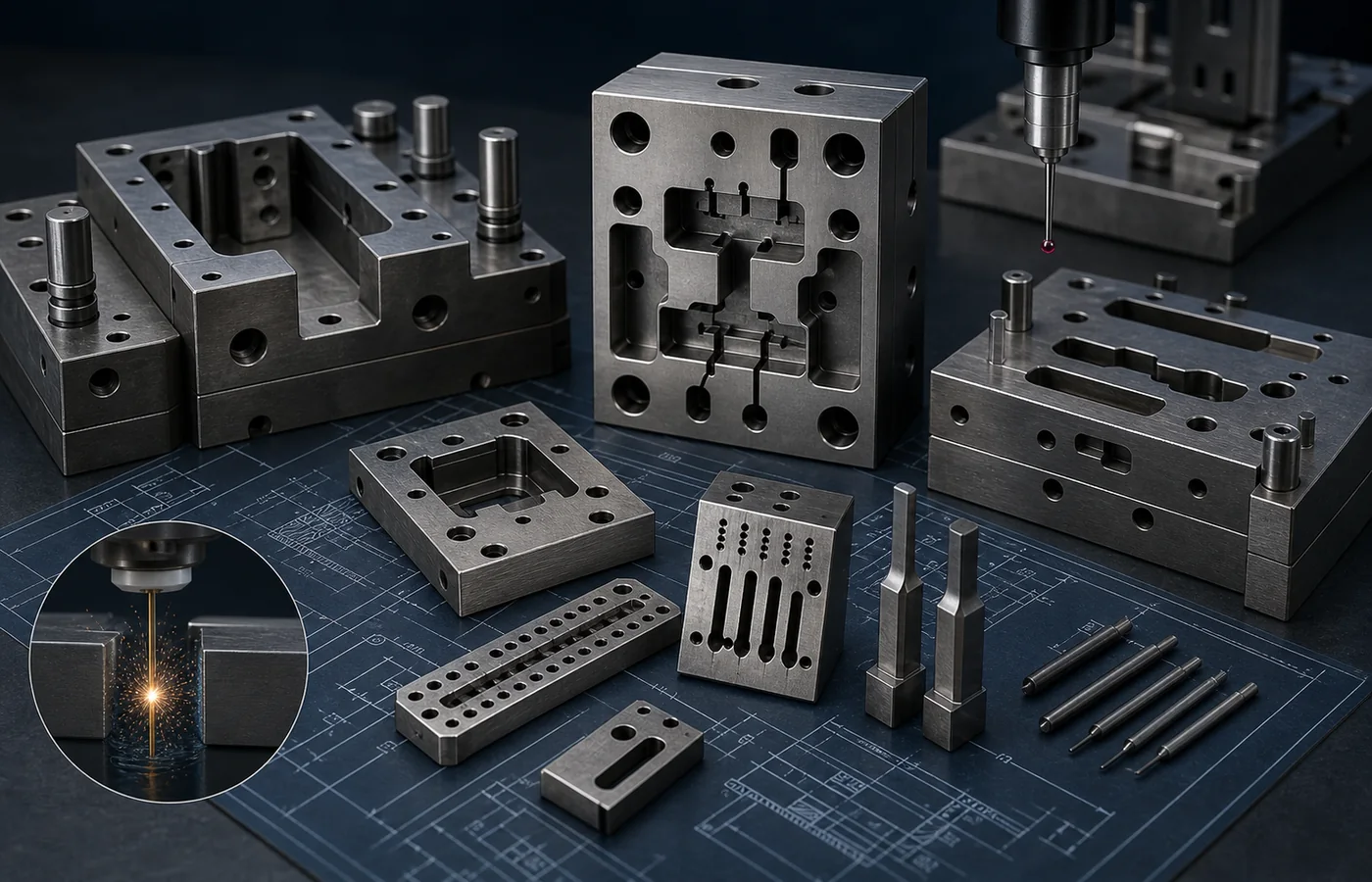
Powercore’s concept bridges additive and subtractive manufacturing by integrating a sinker EDM module into the toolhead of a desktop 3D printer. Instead of just depositing material layer by layer, the modified printer can also erode conductive materials using electrical sparks, enabling it to create fine features in metals and alloys that are difficult to machine with conventional methods.
The company’s prototype uses a proprietary power supply and control system to generate the precise electrical pulses required for EDM. It can be retrofitted onto existing printers without major modifications, according to early demonstrations. This approach aims to make EDM accessible to hobbyists, small workshops, and prototyping labs that cannot afford large, standalone EDM machines.
How Powercore Adapts to Existing Printers
The Powercore module replaces the standard hotend or extruder on a 3D printer, connecting to the machine’s motion system. A dielectric fluid delivery system supplies the necessary fluid to the spark gap, while the printer’s firmware is updated to handle EDM-specific commands such as spark timing and gap control.
Because sinker EDM requires the workpiece to be submerged or flooded, Powercore has designed a small fluid basin that fits within the printer’s build volume. The module also includes automated tool-changing capabilities, allowing the printer to switch between 3D printing extruders and the EDM electrode, enabling hybrid manufacturing in a single setup.
Potential Applications and Benefits
Combining 3D printing with sinker EDM opens new possibilities for creating complex metal parts with internal cavities, sharp corners, and fine details that are challenging for both additive and conventional subtractive processes alone. Applications include tooling inserts, mold components, and custom jigs where both accuracy and material hardness are required.
For small-scale production, this hybrid method could reduce lead times by eliminating the need to outsource EDM work. It also allows for iterative design and rapid prototyping in metals such as steel, titanium, and hardened alloys, which are difficult to machine with standard mills or routers due to their hardness.
Challenges and Future Outlook
Powercore still faces technical hurdles, including managing electrode wear, ensuring consistent spark stability, and containing dielectric fluid safely within an open-frame printer. The company is also working on software to automatically generate EDM toolpaths from 3D models, which would simplify the transition between printing and machining steps.
While the project is in early development, interest from the maker community and small manufacturers suggests a market for affordable, hybrid desktop machines. If Powercore succeeds, it could democratize sinker EDM and encourage more creative integration of additive and subtractive processes at the bench scale.
Powercore’s plan to adapt sinker EDM for standard 3D printers represents a step toward making precision metalworking more accessible to a broader audience.
Why This Matters
If successful, Powercore could lower the barrier to entry for sinker EDM, a process critical for making hard-metal parts with complex geometries. This would empower small shops and makers to produce functional metal components in-house, reducing reliance on expensive CNC equipment and accelerating prototyping cycles.