Sinker EDM Automation and Setup Control
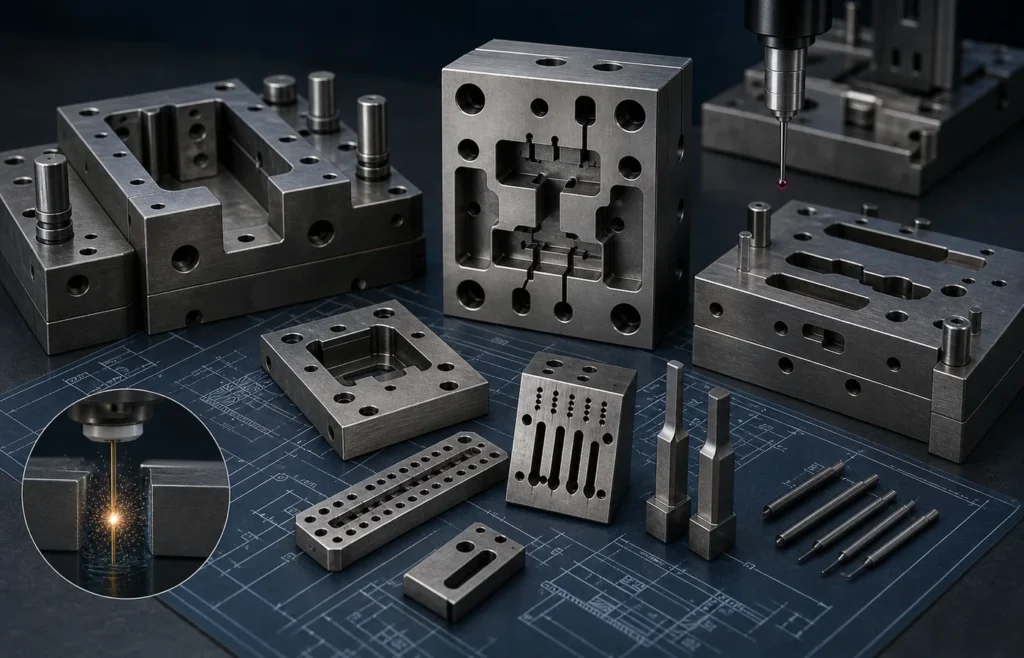
Electrical discharge machining (EDM) has long been a critical process in tool and die manufacturing, particularly for producing complex cavities and intricate features in hardened materials. Among the various EDM methods, Sinker EDM Machining—also known as ram EDM—remains essential for creating precise mold and die cavities. Recent developments in automation and setup control are transforming how shops approach sinker EDM operations, aiming to reduce manual intervention and boost repeatability.
Automation Trends in Sinker EDM
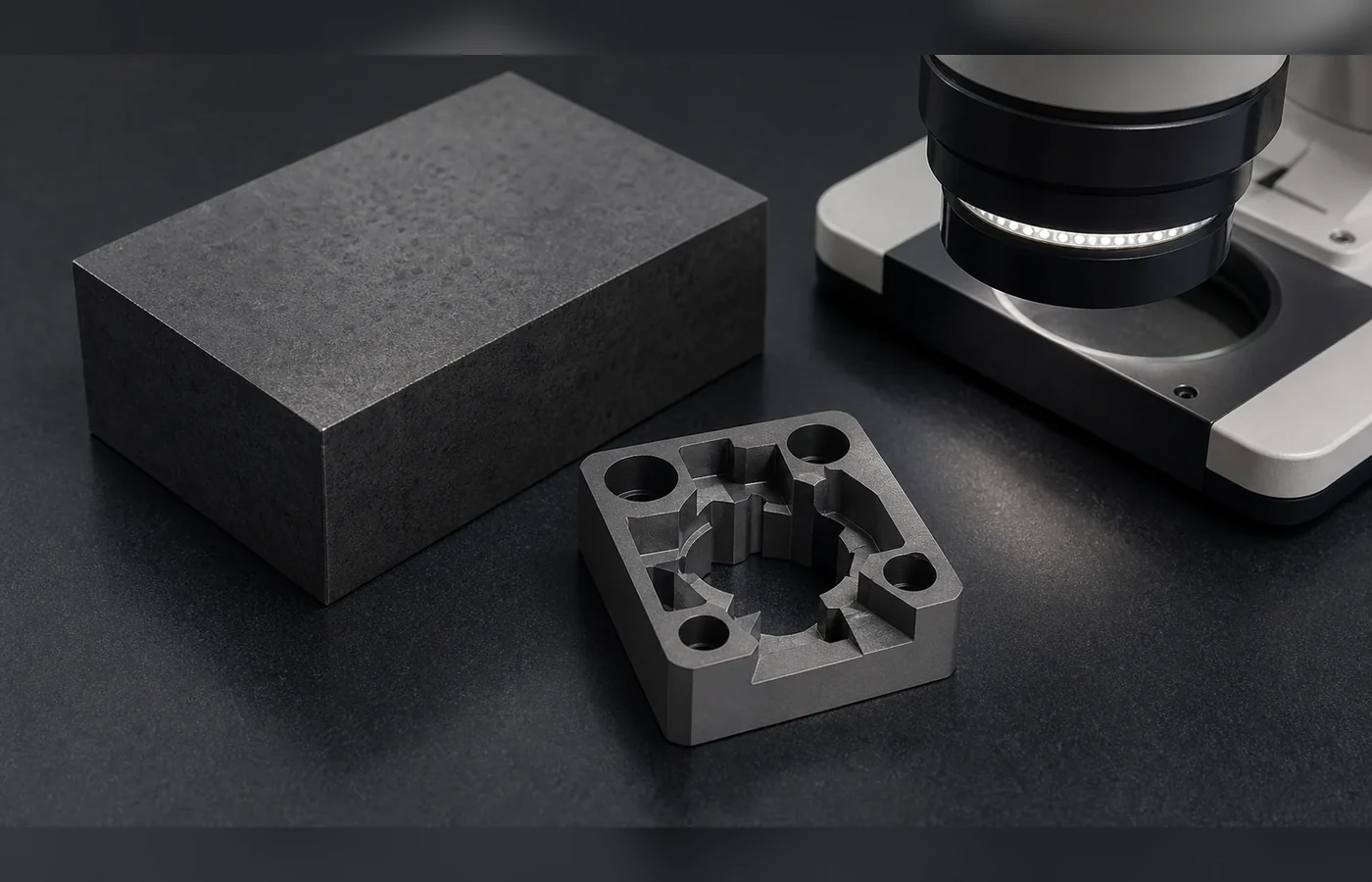
Manufacturers are increasingly integrating robotic handling and automated electrode changing systems into sinker EDM machines. These systems allow unattended operation, particularly during long erosion cycles. Setup control has also seen enhancements through in-machine probing and measurement routines that verify electrode position and workpiece alignment before the sparking process begins.
Advanced control software now enables shops to program multi-electrode sequences, automatically adjusting erosion parameters based on real-time gap conditions. This reduces the need for operator oversight and helps maintain consistent surface finishes across production runs.
Impact on Tool and Die Shops
For small to medium-sized tool shops, automating sinker EDM can be a significant investment. However, proponents argue that the gains in throughput and quality justify the cost. Automated setup control minimizes errors from manual electrode loading and workpiece positioning, which are common sources of rework.
Moreover, many modern sinker EDM machines come with built-in thermal compensation and adaptive control features. These technologies adjust for temperature fluctuations and wear, further stabilizing the machining process. Such capabilities are particularly valuable when machining difficult materials like carbide or hardened tool steels. The Sinker EDM Materials Guide offers detailed compatibility information for such materials.
Integration with CAM and Simulation
Software advancements extend beyond the machine tool itself. Better integration between CAM systems and sinker EDM controls allows for more accurate simulation of the erosion process. This helps in predicting electrode wear and optimizing erosion paths before metal is ever removed.
Some systems now offer virtual setup environments where operators can simulate electrode changes and collision detection, reducing the risk of crashes during actual machining. This digital twin approach is gaining traction in high-precision applications such as aerospace and medical device manufacturing.
As the technology matures, questions remain about how quickly smaller shops will adopt these automated systems. The initial cost and learning curve present barriers, but the potential for lights-out manufacturing is a powerful incentive.
Looking ahead, the sinker EDM industry faces an open question: will broader adoption of automated setup control become a competitive necessity, or will it remain a niche advantage for only the most high-volume or high-precision operations?
Why This Matters
Sinker EDM automation is reshaping tool and die manufacturing by enabling unattended operations and higher consistency. As shops face pressure to reduce lead times and labor costs, automated setup control could become a key differentiator. The broader industry trend toward lights-out machining demands that even traditional processes like sinker EDM evolve, driving adoption of smarter, more integrated systems.