
Precision in Practice: Redefining Metrology Capability with Makino EDM
Electric discharge machining has long been a cornerstone of high-precision manufacturing, especially for components made from hard metals and complex geometries. As demands for tighter tolerances and faster production cycles intensify, machine builders are embedding metrology capabilities directly into the machining process. A recent development from Makino exemplifies this trend, with the company’s EDM platforms now featuring integrated measurement systems that promise to redefine how manufacturers approach quality assurance.
On-Machine Metrology Integration
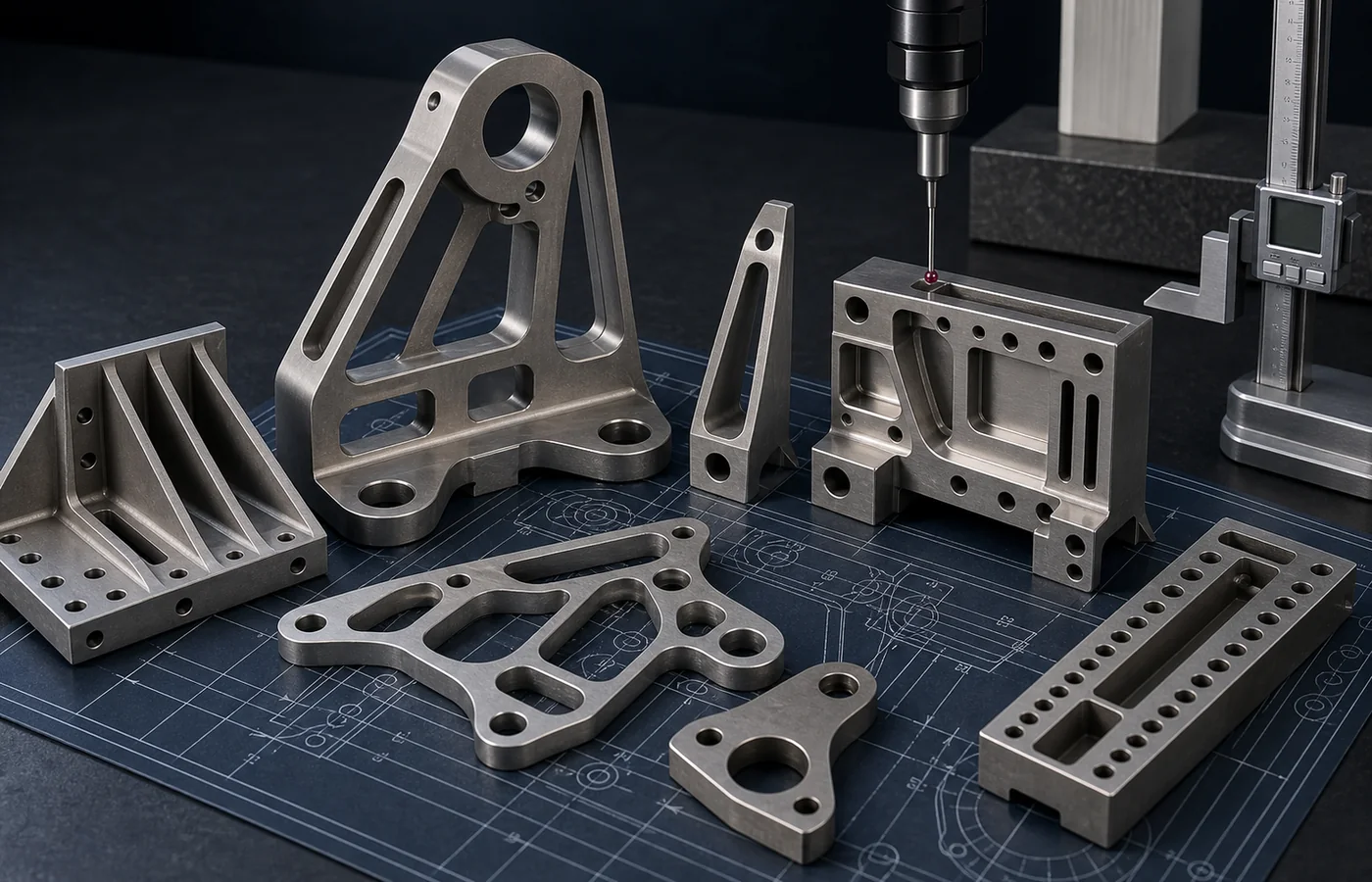
Makino’s latest EDM machines incorporate probing and sensor technologies that allow operators to measure key features without removing the workpiece from the machine. This approach reduces the number of handling steps and minimizes the risk of alignment errors. Key aspects of this capability include:
- Real-time feedback loops that adjust machining parameters based on measured deviations
- Elimination of multiple setups by combining roughing, finishing, and inspection in one cycle
- Data logging for traceability and process optimization across production runs
These features are particularly relevant for industries such as aerospace and medical device manufacturing, where part geometry must meet exacting specifications. By bringing metrology onto the machine floor, manufacturers can detect and correct issues earlier, reducing scrap and rework.
Implications for High-Precision Manufacturing
The integration of measurement capability extends the role of EDM beyond material removal into process validation. For wire EDM machines, for example, on-machine probing can verify hole positions and contour accuracy before the part is released. Sinker EDM systems benefit from electrode wear compensation based on in-process measurements. This closed-loop approach aligns with broader Industry 4.0 initiatives that emphasize data-driven decision-making.
Makino’s move also reflects a growing expectation that machine tools serve as not just production assets but also inspection stations. As tolerances shrink—often into the micron range—the ability to measure features in the same environment where they were cut reduces discrepancies caused by thermal expansion or fixturing variations. Manufacturers adopting this technology may see improvements in first-pass yield and overall equipment effectiveness, particularly when working to an EDM tolerance guide.
Looking ahead, the broader adoption of integrated metrology could challenge conventional quality assurance workflows. As Makino continues to refine its EDM offerings, the question becomes how traditional post-process inspection routines will adapt to a landscape where measurement happens during, not after, the cut.
Why This Matters
This integration marks a shift toward closed-loop machining in EDM, potentially reducing reliance on offline inspection and enabling tighter process control for complex parts in aerospace and medical industries.