
Precision Holemaking Advances Through Small Hole EDM Drilling
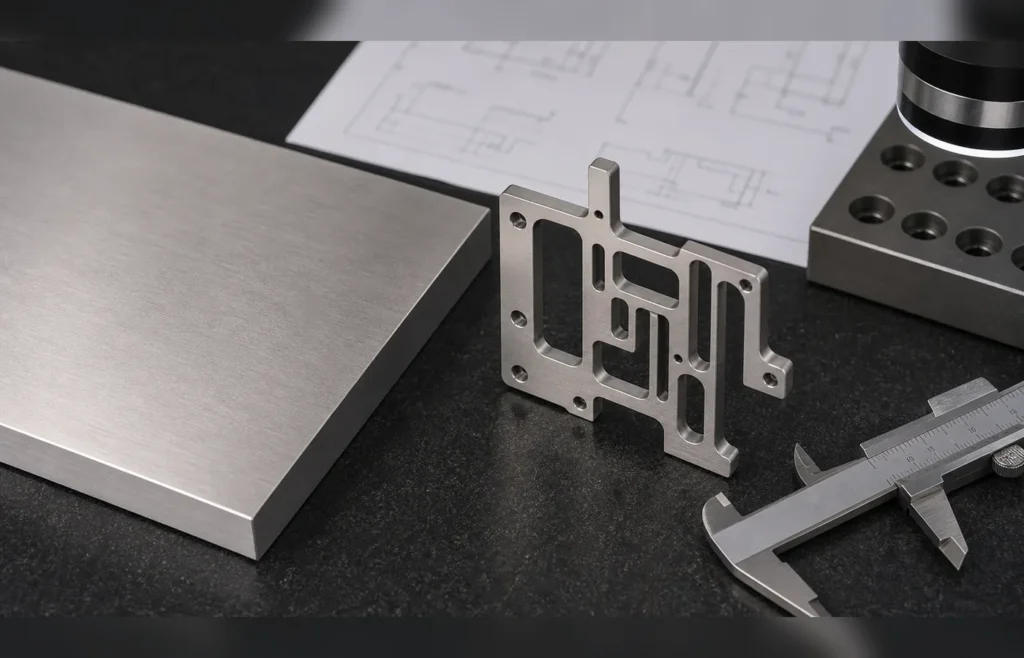
In the world of precision manufacturing, creating small, deep holes with tight tolerances has long been a challenge. Traditional drilling methods often struggle with hard materials, aspect ratios, and burr formation. Electrical discharge machining (EDM) has emerged as a key solution, particularly small hole EDM drilling, which uses electrical sparks to erode material without direct contact.
Recent coverage by Cutting Tool Engineering highlights ongoing developments in this field, emphasizing the role of small hole EDM drilling in achieving unmatched precision. The article underscores how modern machines now deliver faster cycle times, improved electrode wear control, and better surface finishes.
How Small Hole EDM Drilling Works
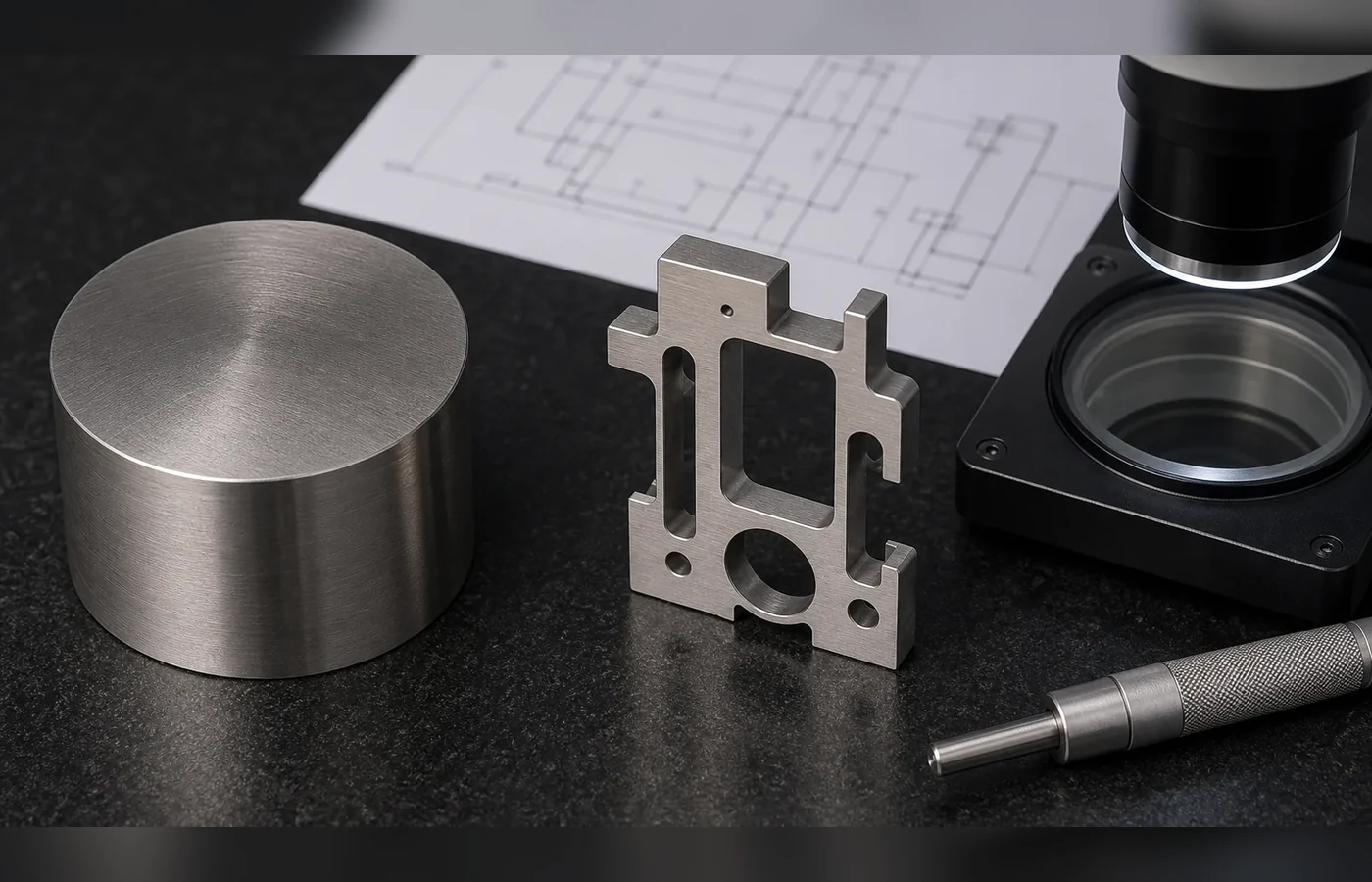
Small hole EDM drilling employs a rotating or stationary tubular electrode, through which dielectric fluid flows. High-frequency electrical discharges erode the workpiece, creating a hole as the electrode advances. This non-contact process eliminates mechanical stresses and burrs, making it ideal for delicate or hardened materials.
Unlike conventional drilling, EDM can produce holes with diameters as small as 0.1 mm and depth-to-diameter ratios exceeding 50:1. The process is widely used in aerospace for cooling holes in turbine blades, in medical devices for guide wires, and in automotive fuel injectors.
Key Benefits and Limitations
Primary advantages include the ability to machine any electrically conductive material regardless of hardness, high positional accuracy, and the absence of cutting forces. However, the material removal rate is slower than traditional drilling, and electrode wear must be carefully managed for tight tolerances.
Advances in generator technology and pulse control have reduced machining times significantly. Modern machines also incorporate automated electrode changers and real-time monitoring for enhanced consistency.
Applications Across Industries
Aerospace remains the largest user, where precision cooling holes in engine components must meet stringent airflow specifications. The medical sector relies on small hole EDM for surgical instruments and implantable devices. In the automotive industry, fuel injection nozzles and sensor components benefit from the process’s repeatability.
Tool and die makers also use small hole EDM for vent holes in molds and dies, as well as for wire EDM start holes. The technology continues to expand into electronics and micro-machining as component miniaturization advances.
Broader Implications
As manufacturers demand ever-higher precision and productivity, small hole EDM drilling is evolving with smarter controls, better dielectrics, and hybrid processes. These developments not only improve hole quality but also open new possibilities for complex geometries in hard-to-machine alloys. The continued refinement of electrode materials and flushing techniques will further extend the boundaries of what is possible in precision holemaking.
Why This Matters
Small hole EDM drilling bridges the gap between conventional drilling and laser or electrochemical methods, offering a reliable way to produce deep, small-diameter holes in superalloys and hardened steels. As industries push for miniaturization and higher performance, advancements in this niche process directly impact component reliability and manufacturing cost efficiency.