
Nature Study Assesses Electrode Materials for Sustainable EDM of Stainless Steel
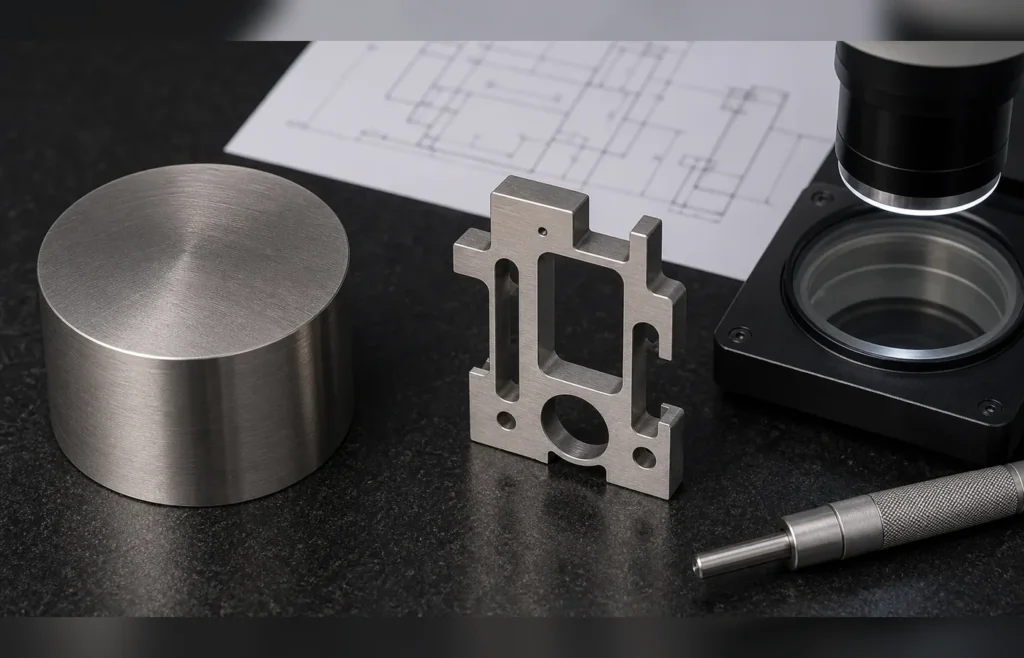
A new study published in Nature evaluates how different electrode materials affect energy consumption, electrode wear, dielectric use, greenhouse gas emissions, and economic viability during electrical discharge machining (EDM) of stainless steel 316L (SS316L).
Study Overview
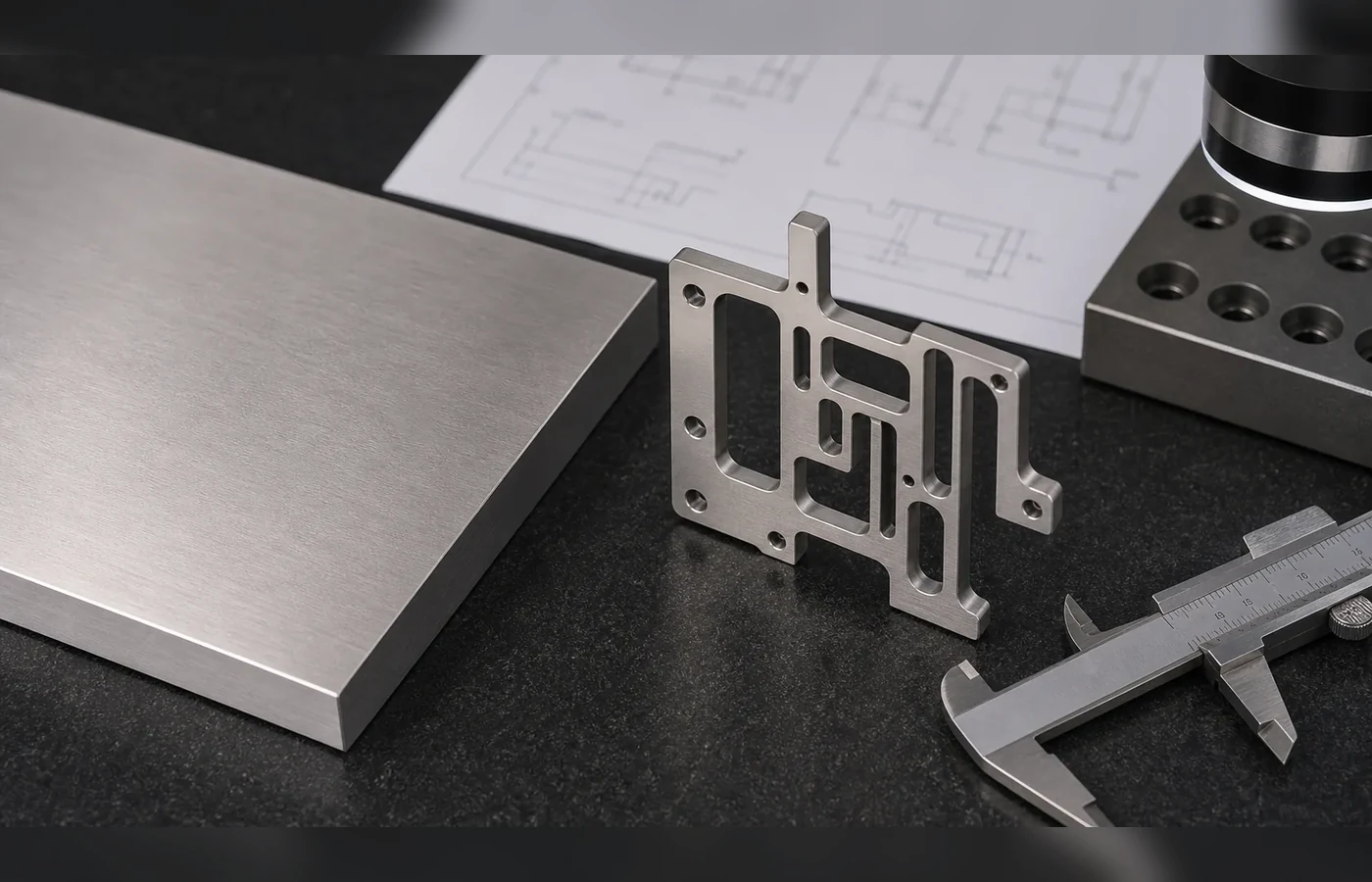
Researchers conducted a comprehensive assessment of common electrode materials—including copper, graphite, and brass—in Micro EDM machining of SS316L. The work quantifies trade-offs between machining performance and environmental impact, a growing concern for sustainable manufacturing.
Each electrode was tested under identical conditions to isolate material-specific effects on key metrics. The study measured not only process efficiency but also cradle-to-gate emissions and cost per machined part.
Key Findings
Graphite electrodes showed the lowest energy consumption and fastest material removal rates, but produced higher electrode wear. Copper electrodes offered a balance between wear resistance and energy efficiency, while brass electrodes, though inexpensive, led to greater dielectric consumption and higher GHG emissions.
Electrode material directly influenced dielectric fluid degradation and replacement frequency, adding to overall environmental burden. The authors noted that selecting an electrode for EDM for Stainless Steel must therefore consider both operational and ecological factors.
Environmental and Economic Implications
Lifecycle analysis revealed that electrode choice can shift the carbon footprint by up to 40%. Economic viability also varied: cheaper electrodes sometimes incurred higher indirect costs from increased dielectric use and waste disposal.
For manufacturers, the findings support a more holistic approach to process planning. Integrating sustainability metrics into electrode selection could improve both environmental performance and long-term profitability.
The study underscores the need for standardized methods to evaluate sustainability in EDM, a gap that the current research begins to fill. Further work is expected to expand the analysis to other workpiece materials and advanced electrode composites.
By linking machining parameters directly to economic and environmental outcomes, the research offers a practical framework for EDM Materials Hub selection in industry.
Why This Matters
As manufacturing seeks to reduce carbon footprint, the study provides crucial data for choosing electrode materials that minimize environmental impact while maintaining economic viability, directly influencing sustainable EDM practices across aerospace, medical, and automotive sectors.