
Study Examines Tool Material Impact on Micro EDM of Soda-Lime Glass
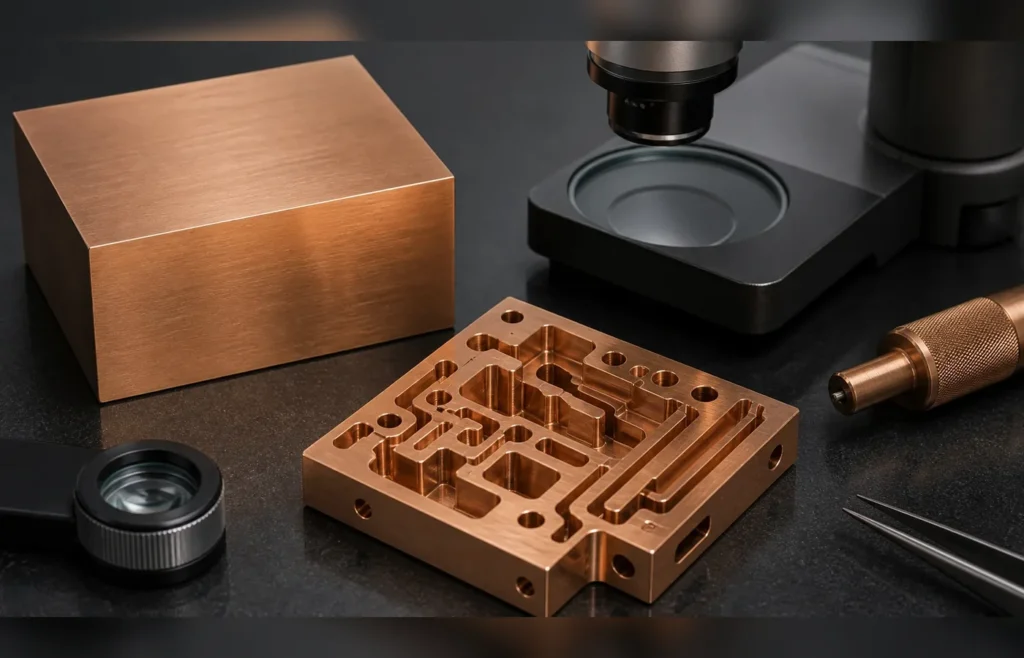
A new study investigates how the choice of tool electrode material affects the machining performance of soda-lime glass during micro electrical discharge machining (EDM) processes, a development with implications for precision manufacturing of brittle materials.
Soda-lime glass is widely used in optics, electronics, and medical devices, but its brittleness and non-conductivity pose challenges for conventional machining. Researchers turned to micro EDM, which can machine any electrically conductive material regardless of hardness, by using a fabricated microtool as the electrode. The study systematically compared different tool materials to determine their effect on material removal rate, tool wear, and surface quality.
Key Findings on Tool Material Performance
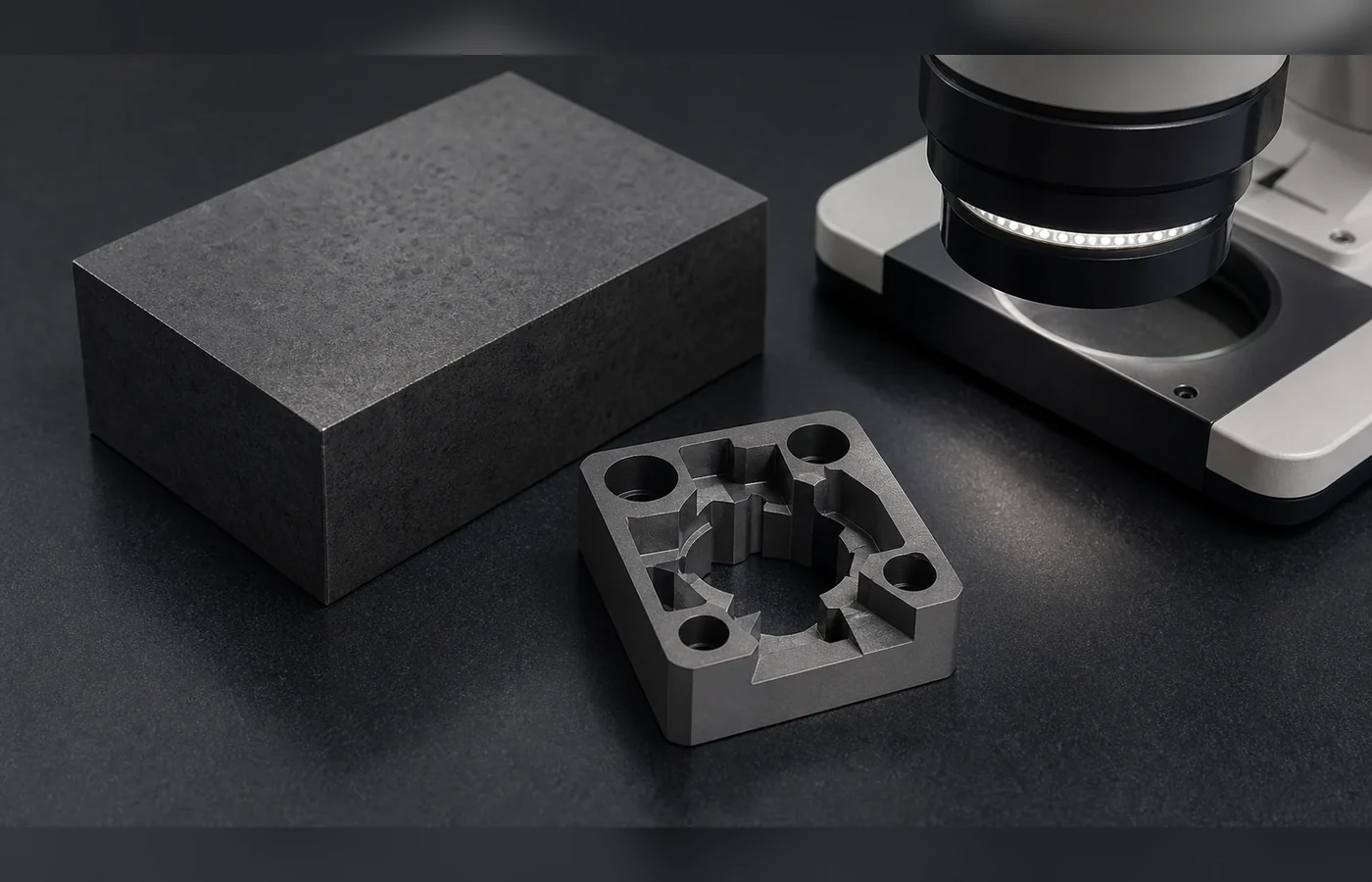
The experiments tested several common electrode materials, including copper, brass, tungsten, and graphite. Early results indicated that tool material significantly influences the machining characteristics. For instance, copper electrodes provided the highest material removal rate but suffered from relatively high wear, while tungsten offered improved wear resistance at the cost of slower machining. Graphite tools showed a balance between wear and rate but produced rougher surface finishes.
- Copper electrodes achieved the fastest material removal but experienced the most tool wear.
- Tungsten electrodes minimized wear, enabling longer machining runs, though with reduced speed.
- Graphite tools offered moderate performance but resulted in poorer surface quality on the glass.
- Brass electrodes fell in between, providing a compromise but not excelling in any single metric.
Implications for Micro EDM Process Selection
The findings underscore the importance of matching tool material to the specific requirements of each machining task. In production environments, the choice may depend on whether priority is given to speed, precision, or tool longevity. The study also highlights that the electrode material affects the electrical discharge characteristics, which in turn influence the recast layer and potential micro-cracking on the glass surface. These factors are critical for applications where optical clarity or dimensional accuracy is paramount.
As manufacturers push toward tighter tolerances in Micro EDM Machining, understanding how tool material interacts with workpiece properties becomes increasingly valuable. The research provides a data-driven basis for selecting electrodes when machining non-conductive ceramics and glasses, expanding the potential of EDM beyond traditional metals.
What additional tool materials or hybrid approaches could further improve the machining performance of brittle materials like soda-lime glass?
Why This Matters
This research provides critical data for optimizing micro EDM processes on brittle, non-conductive materials like soda-lime glass, which are increasingly used in optics and medical devices. By clarifying the trade-offs between tool materials, it enables manufacturers to make informed decisions that balance speed, precision, and cost, potentially expanding the application range of EDM technology.