
Micromachining Equipment Market Poised for Growth Through 2034, Driven by Micro EDM Demand
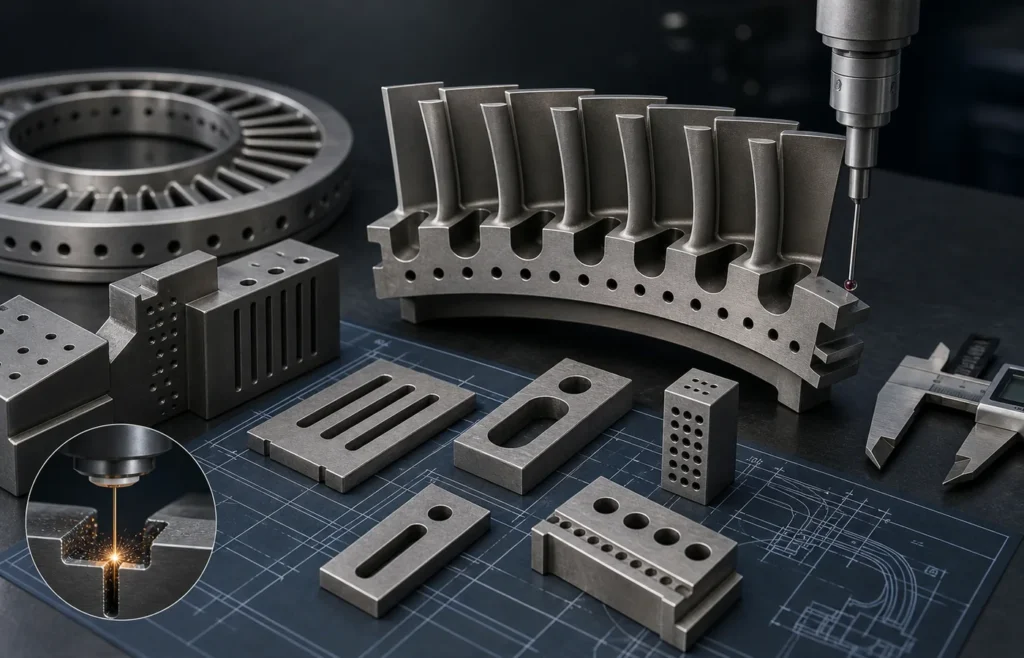
The push toward miniaturization in medical devices, aerospace components, and consumer electronics is reshaping the precision machining landscape. A new market analysis from Fortune Business Insights projects the micromachining equipment sector will see substantial expansion through 2034, with micro electrical discharge machining (EDM) emerging as a critical enabling technology.
Market Drivers and Key Segments
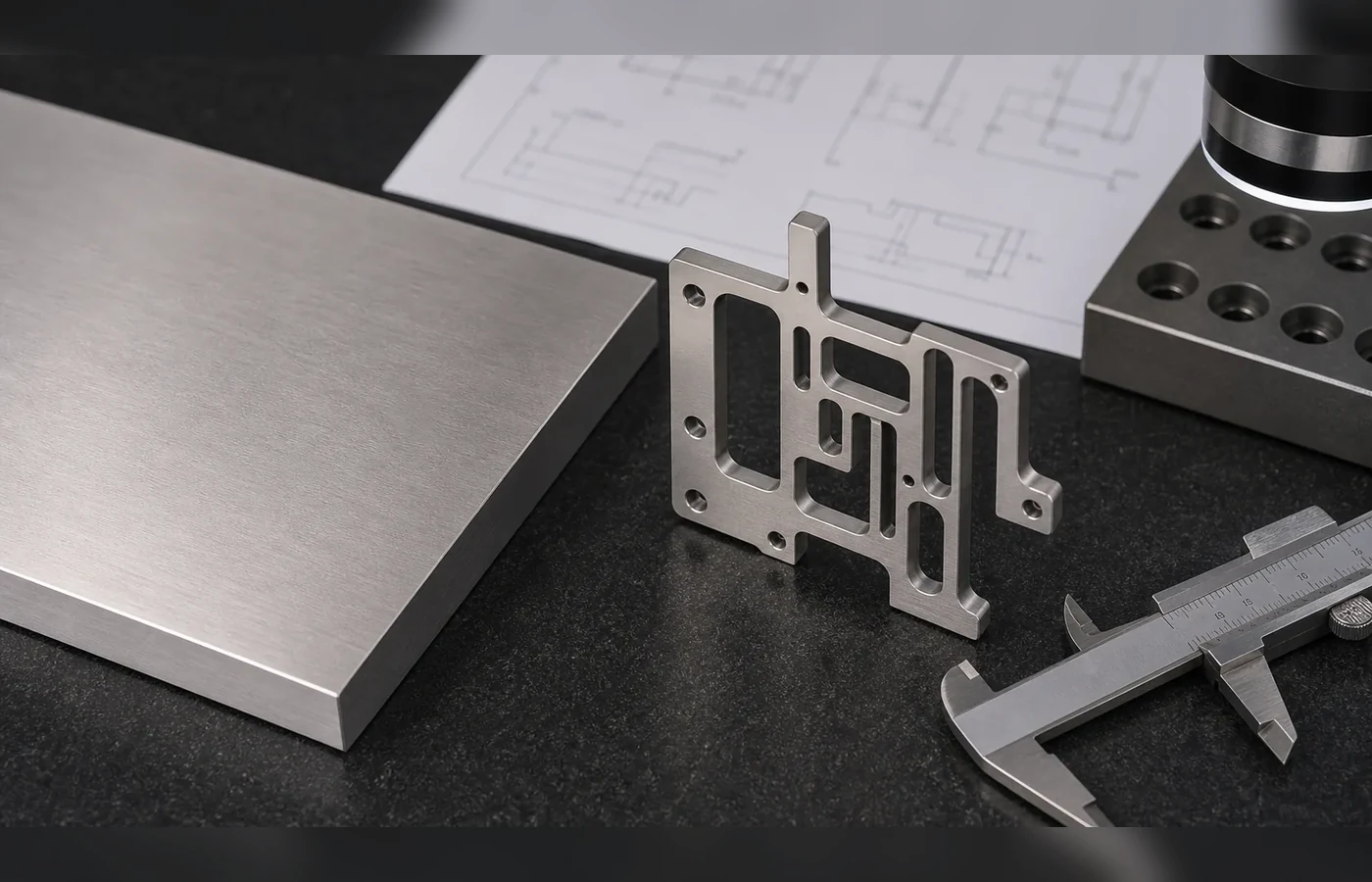
The report identifies several factors fueling adoption of micromachining equipment, particularly systems capable of producing features below 100 microns. Industries requiring high-aspect-ratio holes, complex cavities, and burr-free surfaces are turning to micro EDM and related processes.
- Medical device manufacturing demands micro EDM for stents, catheter components, and surgical instruments requiring tight tolerances and smooth finishes.
- Aerospace applications rely on micro EDM to produce fuel injector nozzles, turbine blade cooling holes, and sensor housings in superalloys.
- Electronics and semiconductor sectors use micromachining for probe cards, micro connectors, and RF components where material integrity is paramount.
- Automotive fuel systems and micro-fluidic devices further drive demand for high-precision micro-features.
Role of Micro EDM in Micromachining
Micro EDM, a variant of conventional Micro EDM Machining, uses electrical discharges to erode material with minimal force, making it ideal for hard or brittle materials like carbide, titanium, and hardened steels. Unlike laser or mechanical micro-machining, micro EDM produces no mechanical stress or heat-affected zones, preserving material properties. The technique can achieve tolerances as tight as ±0.002 mm and surface finishes below Ra 0.2 µm, critical for medical and aerospace parts.
Advancements in micro EDM include improved dielectric flushing, adaptive pulse control, and hybrid processes combining EDM with other methods. These innovations extend tool life and reduce machining time, lowering overall costs. The EDM Applications Hub highlights growing use in medical, aerospace, and electronics where miniaturization is accelerating.
Materials play a key role in micromachining success. The EDM Materials Hub provides guidance on which alloys are most compatible with micro EDM processes, from stainless steel to superalloys. As the equipment market grows, material selection will become even more critical for achieving consistent results.
Looking ahead, the micromachining equipment market is expected to benefit from increasing investment in automation and Industry 4.0, with real-time monitoring and adaptive systems further pushing the boundaries of what micro EDM can achieve.
Why This Matters
As product miniaturization accelerates across industries, micromachining technologies like micro EDM are becoming essential for manufacturing tiny, complex components. This market growth signals a broader shift toward precision micro-manufacturing, impacting supply chains and innovation in medical implants, aerospace sensors, and consumer electronics.