
Maximizing Wire EDM Efficiency: Key Strategies for Precision Machining
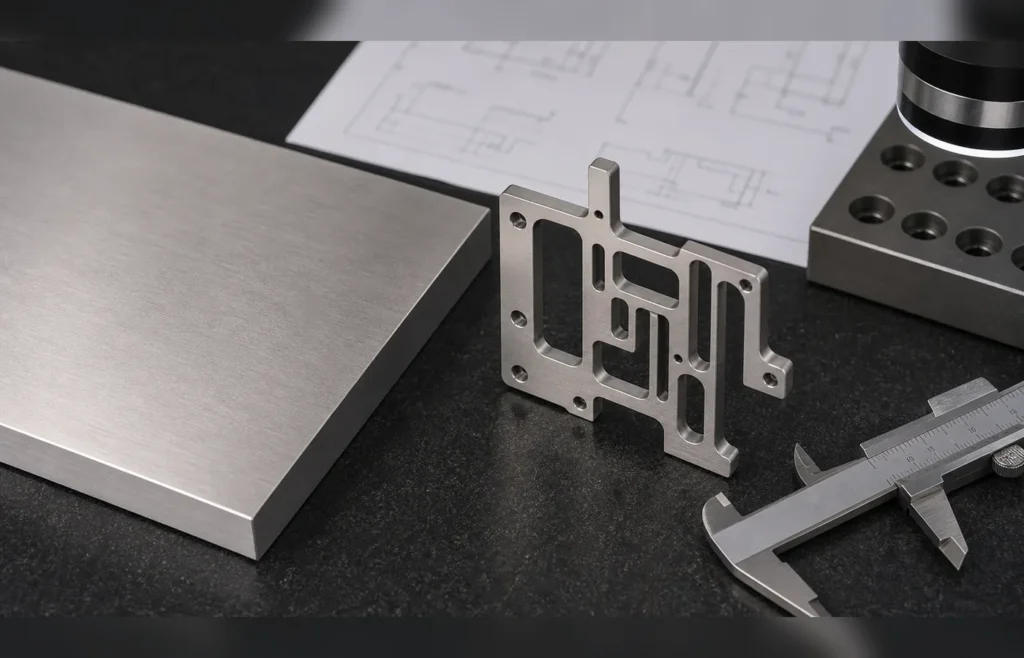
Wire electrical discharge machining (EDM) can achieve positional tolerances as tight as ±0.0001 inches, making it a critical process for high-precision industries such as aerospace and medical device manufacturing. To fully leverage this capability, operators must focus on machine setup, process parameters, and material selection.
Understanding the Wire EDM Process
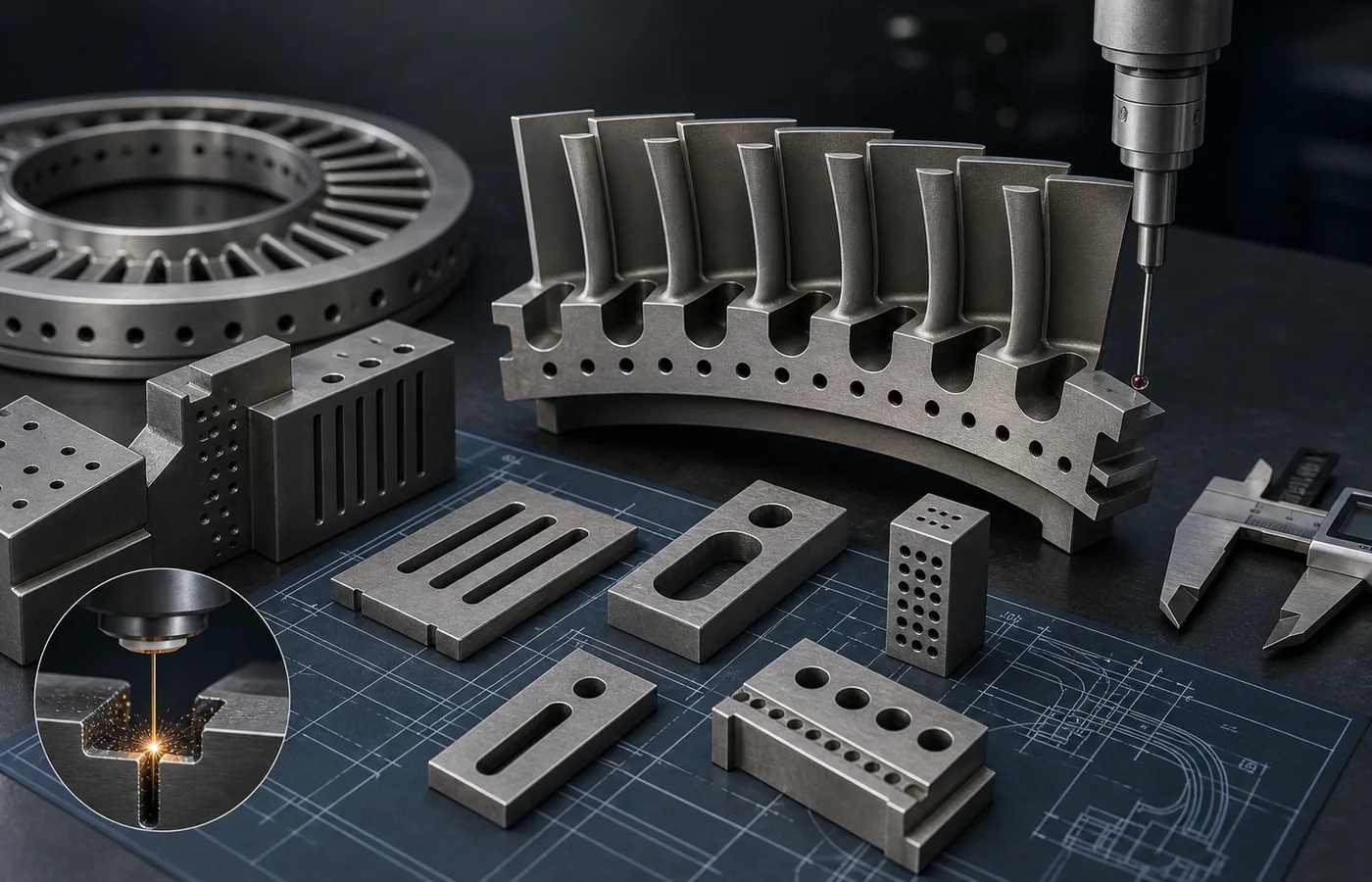
Wire EDM uses a thin, electrically charged wire to erode conductive materials. The wire, often brass or coated copper, moves along a programmed path while a dielectric fluid flushes away debris. The process allows for intricate cuts without mechanical stress, but achieving optimal results requires careful control of spark energy, wire tension, and flushing pressure.
Operators should monitor the gap voltage and current to ensure consistent sparking. Modern machines offer adaptive control that adjusts parameters in real time. For detailed guidance on process fundamentals, consult the What Is Wire EDM? resource.
Optimizing Machine Settings for Performance
Choosing the right feed rate and power settings directly impacts cut quality and speed. Higher energy levels increase material removal but may compromise surface finish. For roughing passes, a higher current and slower feed can be used, while finishing passes require lower energy and faster feeds to achieve Ra values below 0.2 µm.
Wire speed and tension also matter. Too much tension can break the wire, while too little leads to poor straightness. A common recommendation is to maintain wire tension between 1,000 and 2,000 grams, depending on wire diameter. The Wire EDM Thickness Guide provides additional tips for varying workpiece thicknesses.
Material Considerations and Best Practices
Not all conductive materials behave the same under EDM. Steels, aluminum, titanium, and superalloys like Inconel require different parameter sets. For example, stainless steel can produce a recast layer that may need post-processing, while copper alloys allow faster cutting. Understanding material compatibility is crucial.
Pre-drilling a start hole is often necessary for blind cuts. Using a small-hole EDM drill first can save time and reduce wire consumption. Additionally, maintaining clean dielectric fluid through proper filtration prevents contamination that can cause arcing or poor surface finish. For more on material-specific settings, explore the EDM Material Compatibility Guide.
In summary, achieving the best results from wire EDM requires balancing speed, accuracy, and surface quality through careful control of machine parameters and material-specific adjustments.
Why This Matters
Wire EDM remains essential for manufacturing complex, high-tolerance components. As industries demand tighter tolerances and faster turnaround, mastering process optimization reduces waste and improves throughput, directly impacting competitiveness.