
New Technology Enhances Flexibility of Sinker EDM Machining
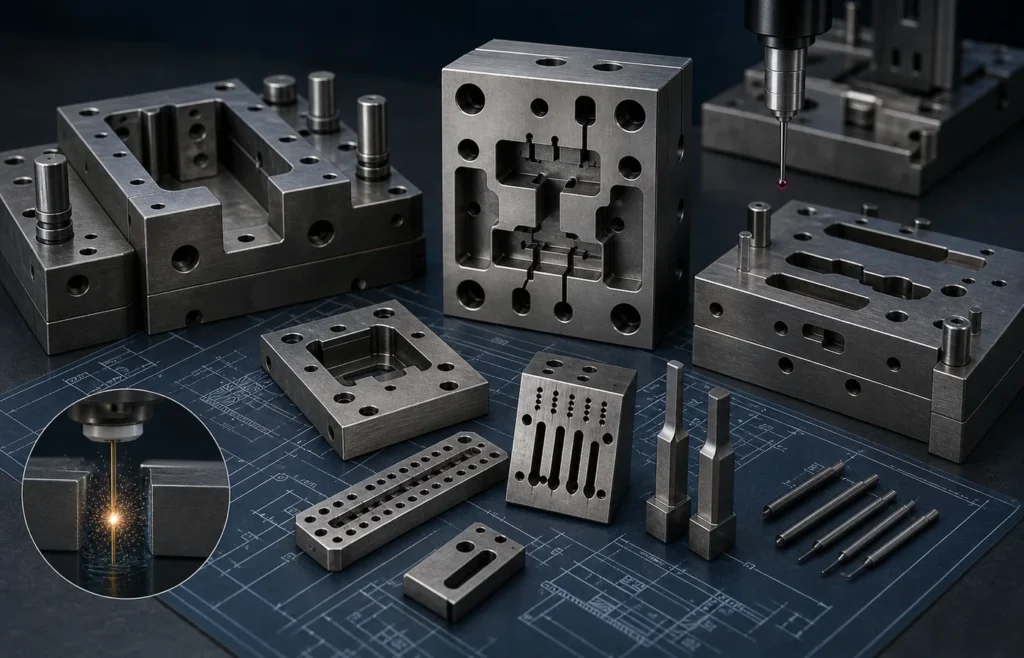
Recent developments in sinker electrical discharge machining (EDM) are expanding the process’s capabilities, making it more adaptable for a wider range of manufacturing applications. Industry sources report that innovations in power supply control, electrode materials, and automation are driving this shift, allowing manufacturers to achieve tighter tolerances and more complex geometries with reduced cycle times.
Advancements in Sinker EDM Technology
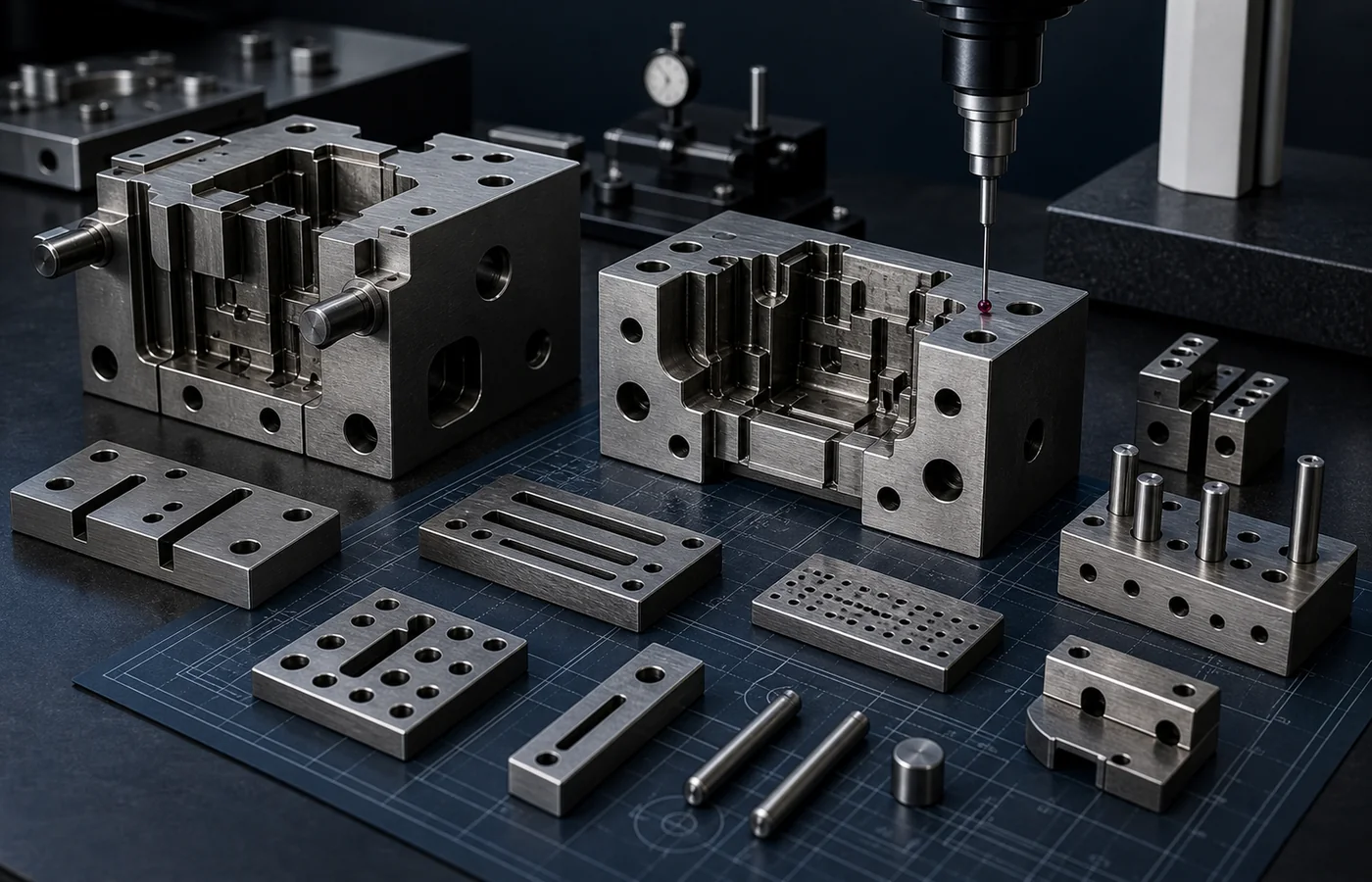
Modern sinker EDM systems now incorporate adaptive control algorithms that monitor the gap between electrode and workpiece in real time. These systems adjust pulse parameters automatically, improving material removal rates and surface finish consistency. Additionally, new dielectric fluid filtration methods have extended electrode life and reduced maintenance downtime.
Electrode materials have also evolved. Graphite, copper, and tungsten-copper composites are being optimized for thermal conductivity and wear resistance. These improvements enable more intricate cavity shapes to be machined with fewer electrode changes, directly increasing flexibility.
Enhanced Process Control and Automation
Integration with robotic systems and CNC controls has made sinker EDM more suitable for lights-out manufacturing. Automated electrode changers and probing cycles allow the machine to run unattended for longer periods, reducing labor costs. Closed-loop feedback systems compensate for thermal expansion and electrode wear, maintaining dimensional accuracy across production runs.
Software advancements now allow offline programming and simulation, letting operators optimize parameters before cutting begins. This reduces trial-and-error on the shop floor and speeds up setup for new jobs. Such capabilities are particularly valuable for industries like medical device manufacturing and aerospace, where tight tolerances are critical.
Implications for Complex Part Manufacturing
The increased flexibility of sinker EDM is enabling manufacturers to tackle parts that were previously challenging or uneconomical. Deep cavities, sharp internal corners, and hard-to-machine materials such as hardened tool steels and carbide are now being processed more reliably. For example, mold and die makers can produce complex cooling channels and intricate features in a single setup.
Multi-axis EDM machines now allow electrodes to approach the workpiece at various angles, reducing the need for multiple setups. This capability is especially beneficial for automotive tooling and aerospace components, where part complexity often requires specialized fixturing.
Broader Industry Adoption
As the technology matures, smaller shops are adopting sinker EDM for both prototyping and production. Lower entry costs for new machines and more accessible training materials have lowered barriers. Trade publications note that the flexibility gains are helping manufacturers respond faster to changing customer requirements.
Overall, the trend points toward sinker EDM becoming a more versatile tool in the precision machining arsenal. While wire EDM and other processes still hold advantages for certain applications, the latest sinker EDM systems are narrowing the gap and expanding their role in modern manufacturing.
For more details on sinker EDM processes, visit the Sinker EDM Machining resource page or the What Is Sinker EDM? guide. Additional technical insights can be found in the EDM Technical Library.
Why This Matters
This development broadens the application of sinker EDM in industries requiring tight tolerances and intricate cavities, reducing setup times and enabling cost-effective small-batch production.