
Study Optimizes Parameters to Minimize Overcut in Abrasive Waterjet Drilling of SS 316L
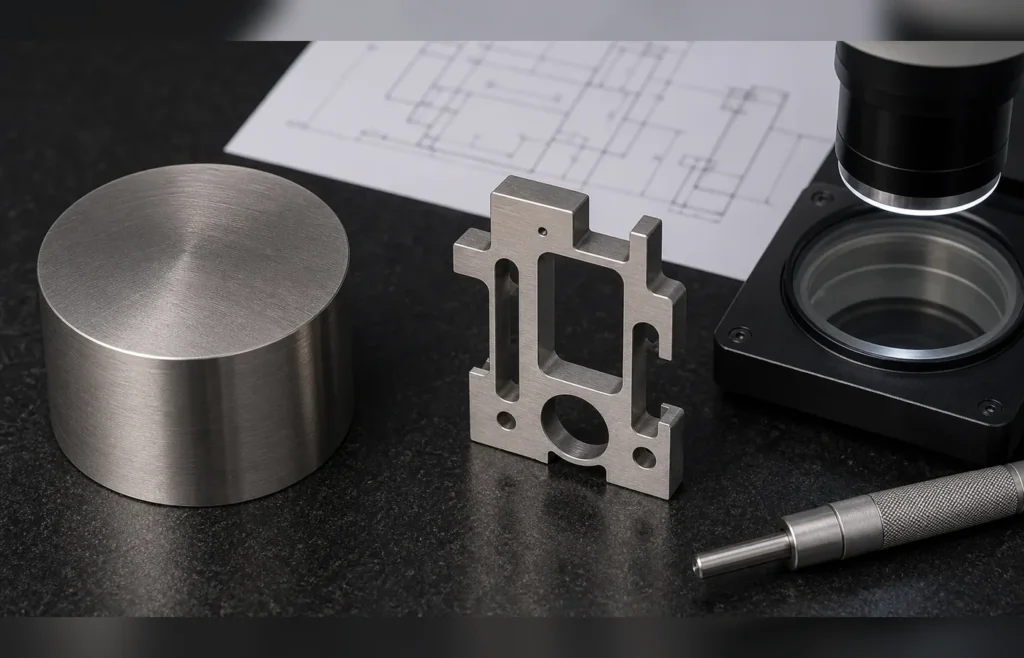
Precision drilling of small, deep holes in hard materials such as stainless steel remains a persistent challenge in manufacturing. Both electrical discharge machining (EDM) and abrasive waterjet cutting offer solutions, yet each has limitations. A new study published in Nature focuses on abrasive waterjet deep hole drilling of SS 316L, aiming to minimize the overcut—the unwanted enlargement of the hole diameter.
Research Findings on Parameter Optimization
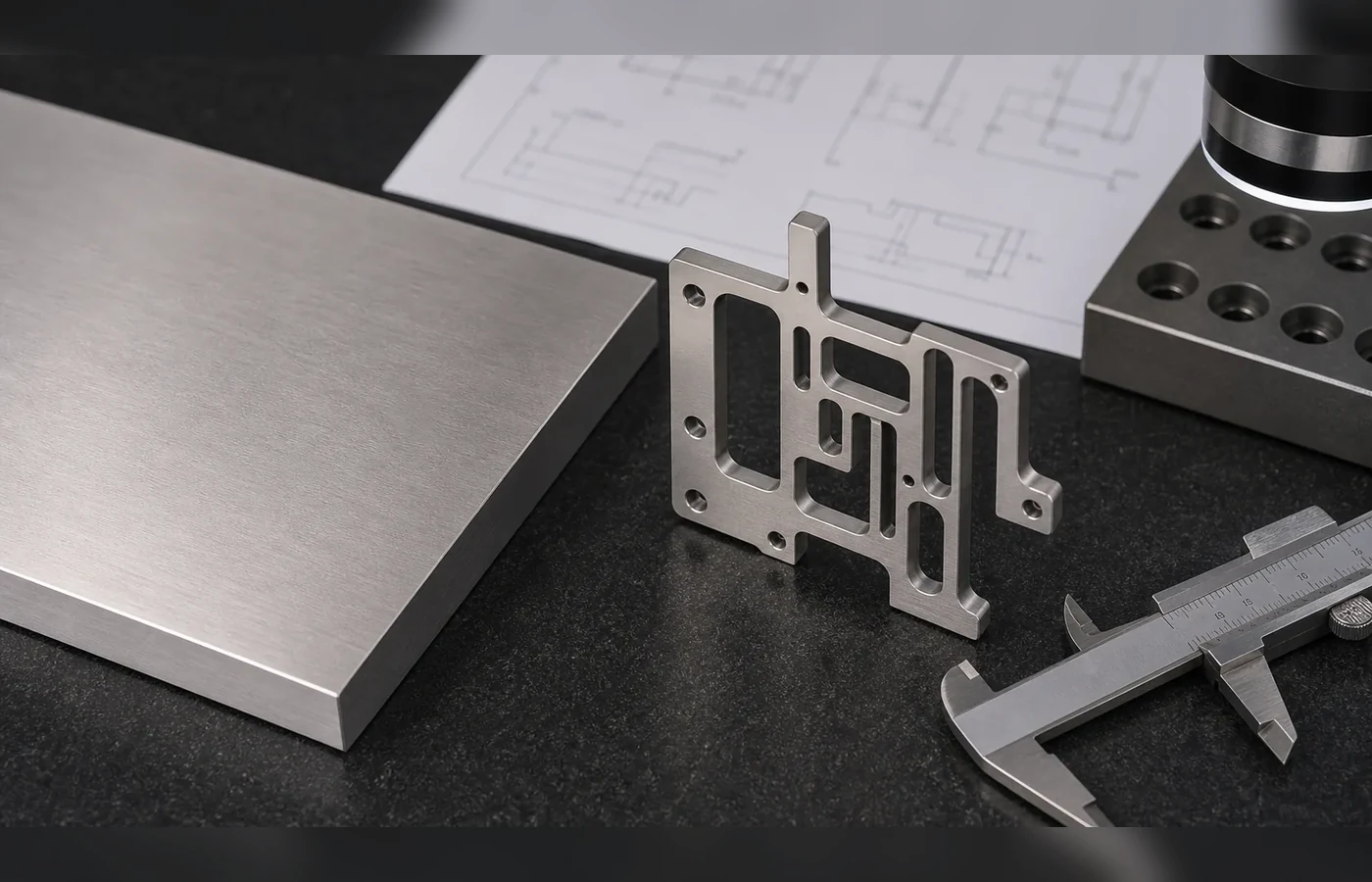
The investigation systematically varied key process parameters including water pressure, abrasive flow rate, standoff distance, and traverse speed. The goal was to identify the combination that produces the smallest overcut while maintaining acceptable drilling rates. Results indicated that specific parameter sets can significantly reduce overcut, improving dimensional accuracy.
- Optimal water pressure range found to be between 300 and 350 MPa for SS 316L.
- Abrasive flow rate of 0.5 kg/min yielded best results in minimizing overcut.
- Standoff distance of 2 mm reduced unnecessary widening.
- Traverse speed had a nonlinear effect, with moderate speeds performing best.
These findings demonstrate that careful control of process parameters can enhance the precision of abrasive waterjet drilling, making it more competitive with other small-hole drilling techniques.
Implications for Small Hole Drilling
The study’s outcomes are particularly relevant for industries requiring high-accuracy small holes in stainless steel components, such as aerospace, medical devices, and tooling. Abrasive waterjet drilling offers advantages like no heat-affected zone and ability to machine a variety of materials. However, overcut has been a limiting factor. This research provides a data-driven approach to mitigate that issue.
While the study specifically addresses abrasive waterjet processes, the methodology can be adapted to other nontraditional machining methods. Engineers working with small hole EDM drilling may find the parameter optimization approach useful for their own applications, especially when drilling stainless steel.
The question remains: will these optimized parameter sets translate consistently across different machine setups and material batches, or will further refinement be needed for industrial adoption?
Why This Matters
This research provides a quantitative framework for minimizing overcut in abrasive waterjet drilling, a key limitation of the process. As industries demand tighter tolerances for small holes in hard materials, such optimization studies help bridge the gap between nontraditional machining methods like waterjet and EDM, potentially expanding application areas.