
Deciding Between Outsourced and In-House Sinker EDM: Key Considerations
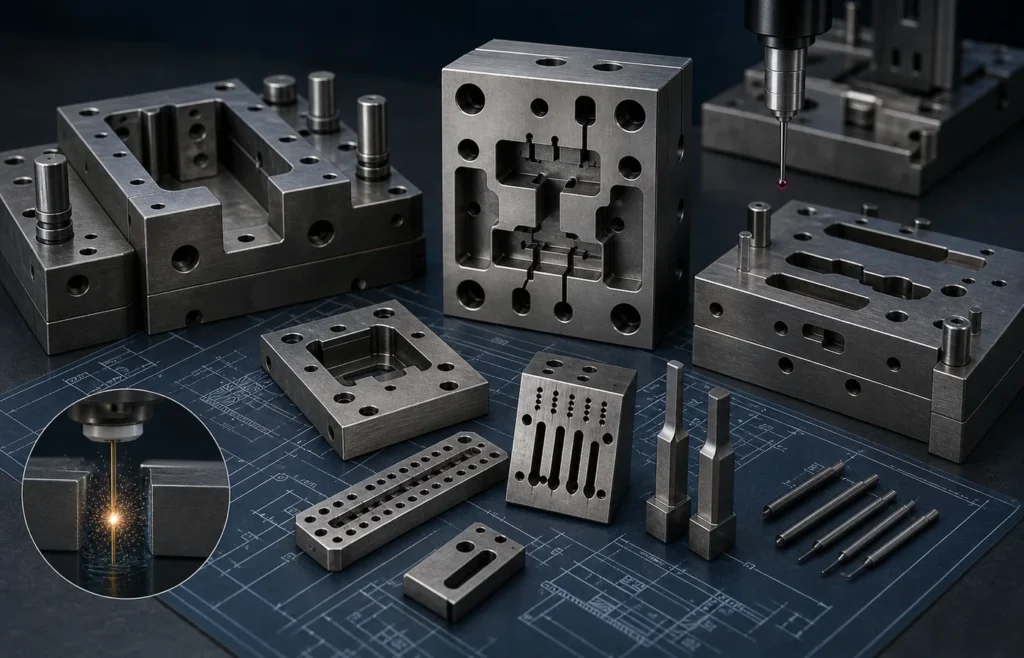
Manufacturing firms evaluating whether to invest in sinker electrical discharge machining (EDM) internally or contract the work externally face a multifaceted decision. The choice hinges on production volume, cost structures, quality requirements, and strategic priorities. This article outlines the critical factors that companies should weigh when choosing between outsourced and in-house sinker EDM.
Evaluating Core Capabilities and Volume
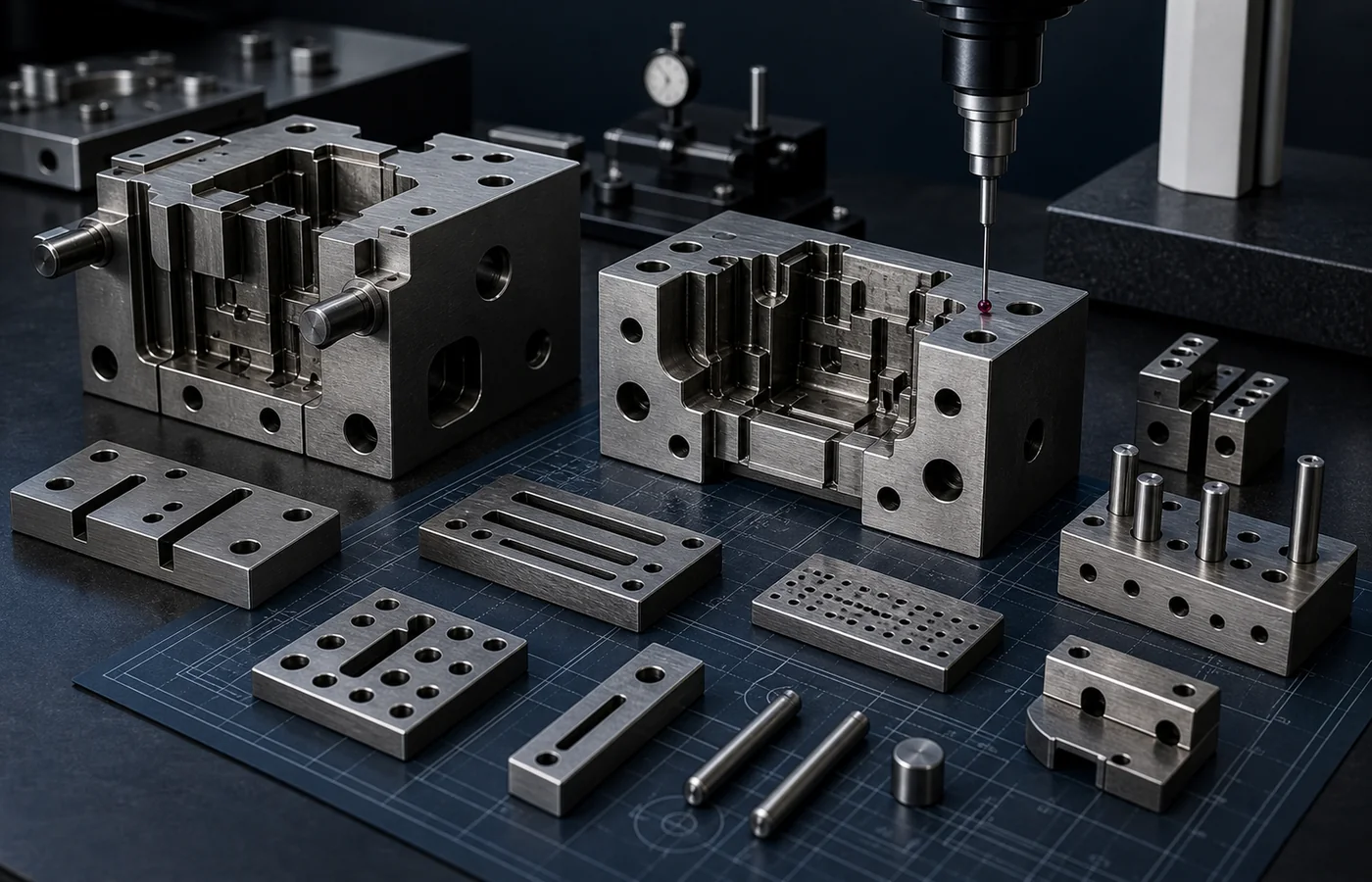
A primary determinant is the frequency and complexity of EDM work. Companies with steady, high-volume requirements for sinker EDM—such as tool and die shops or aerospace component manufacturers—often find in-house capacity cost-effective over time. In-house operations allow tighter control over scheduling and process parameters, particularly for proprietary parts. Conversely, firms with sporadic or highly varied EDM needs may benefit from the flexibility of outsourcing. External providers bring specialized expertise in sinker EDM, often handling a wide range of materials and geometries without the capital burden. A detailed review of upcoming projects and anticipated demand helps clarify which model aligns with production realities.
Cost Analysis and Capital Investment
Acquiring sinker EDM equipment requires significant upfront capital—typically ranging from tens of thousands to over a hundred thousand dollars for a new machine. Additional costs include installation, training, tooling, maintenance, and floor space. Outsourcing converts these fixed costs into variable expenses, tied directly to each job’s price. However, per-part costs from an external supplier may be higher for large runs due to markup and logistics. A thorough total-cost-of-ownership analysis should incorporate machine utilization rates, labor costs, and expected lifespan. Companies with predictable, long-term EDM programs may achieve lower unit costs in-house, while those with fluctuating workloads often benefit from outsourcing’s financial flexibility.
Quality Control and Lead Time Requirements
In-house sinker EDM gives manufacturers direct oversight of quality at every stage—from electrode design to final surface finish. This is crucial for parts with tight tolerances or strict certifications, as seen in medical and aerospace sectors. Internal teams can iterate rapidly on process adjustments without external communication delays. On the other hand, reputable sinker EDM service providers invest in advanced equipment and skilled technicians, often achieving consistent quality across diverse jobs. Lead time is another trade-off: in-house operations eliminate shipping and queue times at the vendor, but may face bottlenecks if machine capacity is insufficient. Outsourcing can provide faster turnaround for overflow work or rush orders, provided the supplier has available capacity. Companies should evaluate their tolerance for risk and the criticality of each component’s specifications before deciding.
Ultimately, the decision between outsourced and in-house sinker EDM is not binary; many firms adopt a hybrid approach, handling core or proprietary work internally while outsourcing overflow or non-critical jobs. A careful assessment of volume, cost, quality needs, and strategic goals will guide manufacturers toward the optimal solution.
Why This Matters
The outsourcing versus in-house evaluation is a recurring strategic decision in precision manufacturing. Understanding the trade-offs in sinker EDM helps companies optimize capital allocation, maintain quality standards, and respond to market demands, directly impacting competitiveness in industries like aerospace, automotive, and medical device production.