
How Sinker EDM Creates Impossibly Close-Fitting Parts
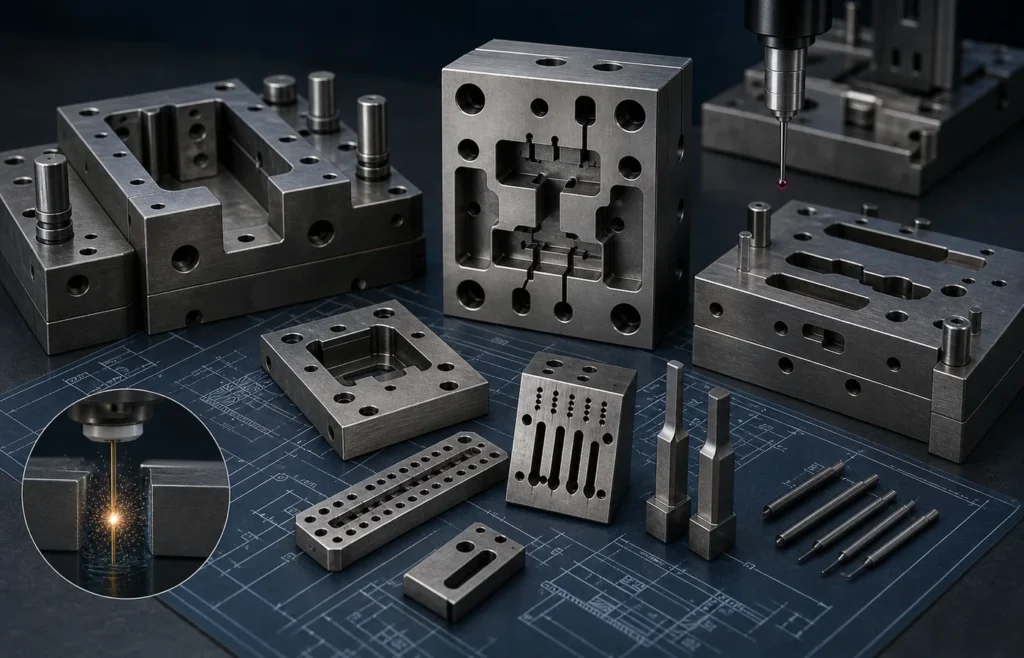
Sinker electrical discharge machining (EDM) can hold tolerances as tight as ±0.0001 inches (0.0025 mm), making it one of the most precise manufacturing processes available. This level of accuracy allows engineers to produce components that fit together with virtually no measurable clearance—a feat often described as “impossibly close-fitting.”
The Process Behind the Precision
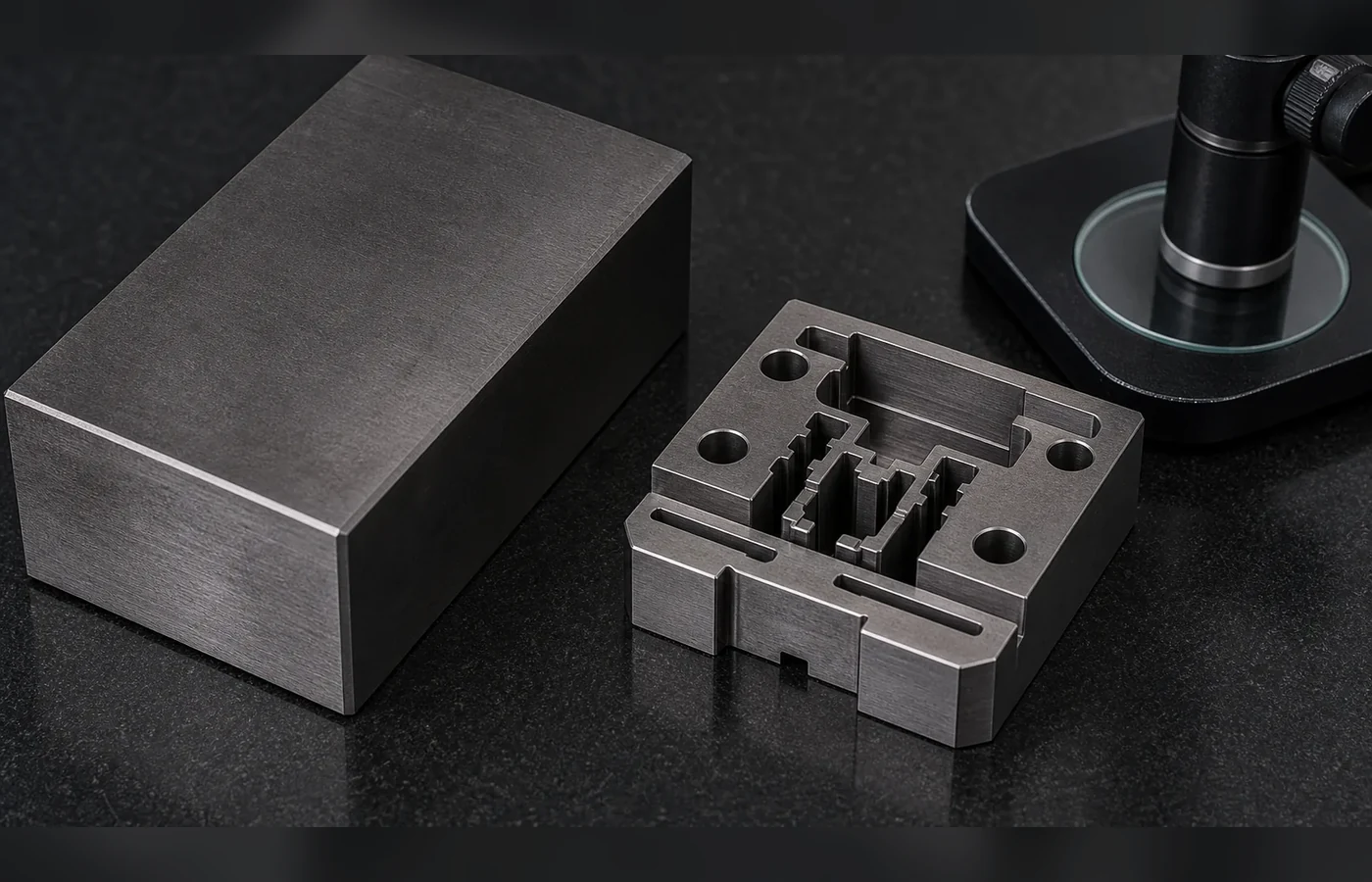
In sinker EDM, a shaped electrode is lowered into a dielectric fluid until it nearly touches the workpiece. High-frequency electrical discharges erode the material, mirroring the electrode’s geometry. Unlike conventional cutting, no physical force is applied, eliminating tool deflection and enabling micron-level detail.
The process excels at creating complex cavities, sharp internal corners, and deep ribs that would be difficult or impossible with milling. Intricate mold inserts, for example, rely on sinker EDM to form precise cooling channels and ejection pin holes.
Materials That Benefit
Hardened tool steels, carbides, and superalloys are common candidates. Because EDM erodes material regardless of hardness, it can machine fully heat-treated workpieces without distortion. For instance, A2 tool steel and beryllium copper are frequently used in electrode and die applications.
Applications Across Industries
Automotive tooling is a prime beneficiary. Injection molds for dashboard panels and engine components require exacting fits to prevent flash and ensure repeatability. Aerospace turbine blades also undergo sinker EDM to form cooling holes and airfoil contours.
Medical device manufacturers turn to sinker EDM for surgical instruments and implantable components where burr-free edges and tight tolerances are critical.
Key Advantages Over Other Methods
- No burrs: The thermal erosion leaves a clean edge, reducing secondary operations.
- Hard material capability: Machining fully hardened steels without annealing.
- Complex geometry: Deep, narrow slots and undercuts are feasible.
Looking Ahead
Advances in generator technology and electrode materials continue to push sinker EDM toward faster erosion rates and finer surface finishes. As industries demand ever-tighter tolerances and more intricate features, this process will remain indispensable for producing parts that fit—almost impossibly—together.
Why This Matters
Sinker EDM fills a critical gap in manufacturing where conventional machining cannot meet extreme precision or complex geometry requirements. As products shrink and tolerances tighten across aerospace, medical, and automotive sectors, mastery of this process becomes a competitive differentiator for precision manufacturers.