
Makino Pushes Precision EDM to New Heights in Aerospace Manufacturing
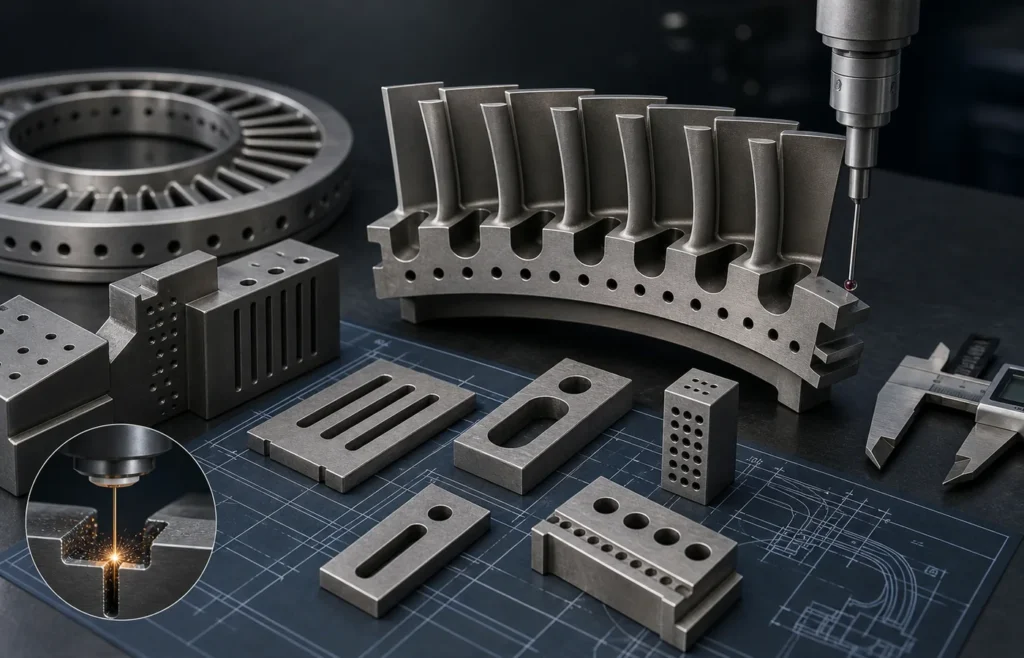
Machine tool builder Makino is advancing electrical discharge machining (EDM) capabilities for aerospace applications, delivering tighter tolerances and finer surface finishes demanded by modern aircraft components.
The Role of EDM in Aerospace
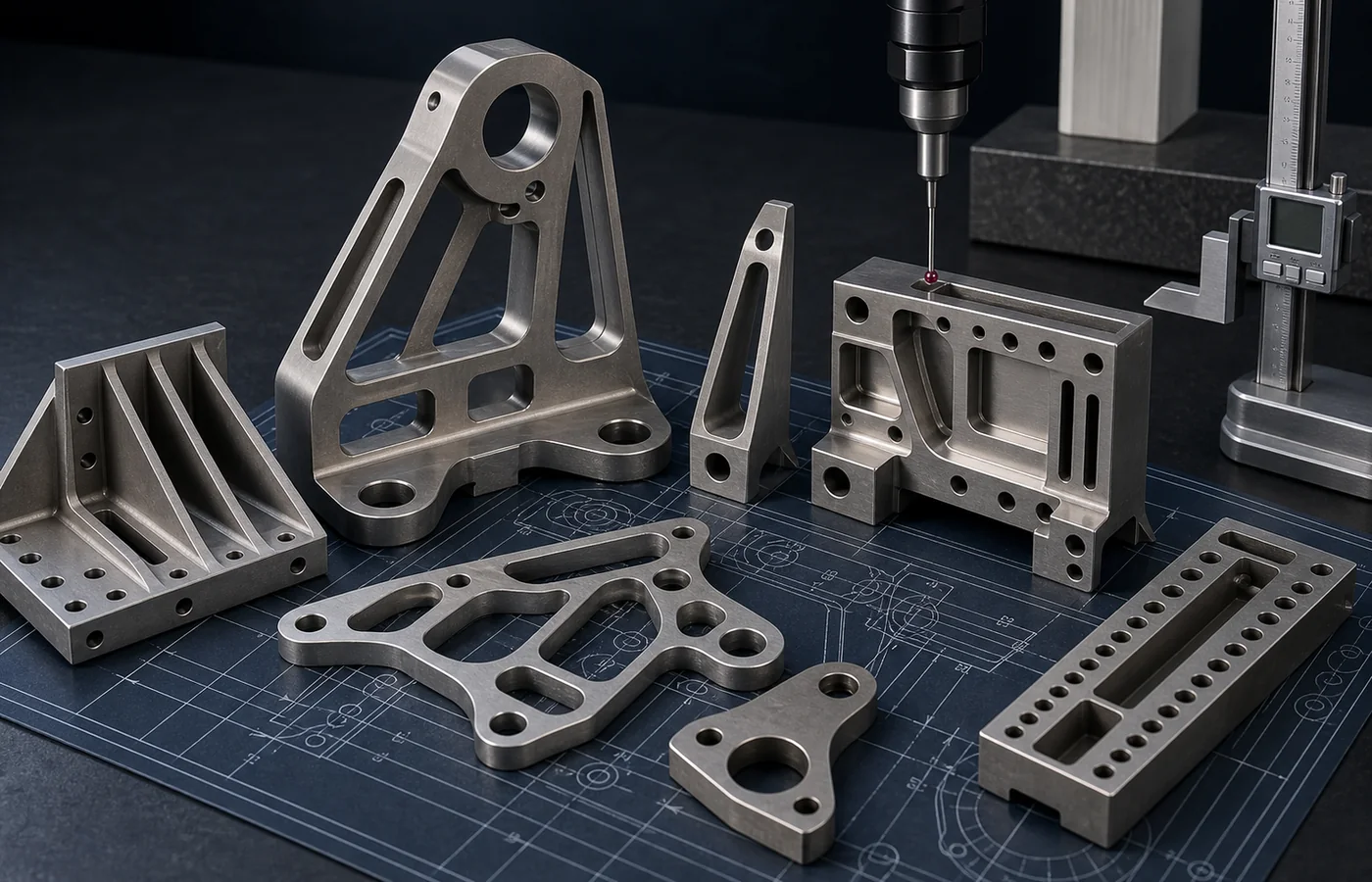
Electrical discharge machining has long been a cornerstone of aerospace manufacturing, particularly for producing complex geometries in hard-to-machine superalloys used in turbine blades, engine casings, and structural components. The process erodes material through controlled electrical sparks, enabling burr-free cuts and intricate internal features that conventional cutting tools cannot achieve. As aircraft engines push toward higher efficiency and lower emissions, component designs now require micron-level precision and surface integrity that push existing EDM technology to its limits.
Makino’s latest platform specifically addresses these demands. The company’s new line of wire and sinker EDM machines integrates advanced generator technology, improved dielectric fluid management, and enhanced thermal stability. These upgrades allow manufacturers to hold tolerances within ±2 microns while reducing recast layer thickness—a critical factor for fatigue life in rotating engine parts.
Advancements in Machine Design
At the heart of Makino’s innovation is a next-generation pulse control system that adapts in real time to material variations. This ensures consistent spark energy even when cutting through heat-affected zones or layered composites. The machines also feature a redesigned worktank that minimizes vibration and maintains uniform flushing pressure, reducing the risk of wire breakage during long-run production.
Automation integration has been another focus. Makino’s machines now support robotic loading and in-process probing, shrinking cycle times by up to 30% compared to previous models. For high-mix, low-volume aerospace work, the ability to quickly switch between jobs without manual intervention is a significant productivity gain.
Surface finish quality has also improved. Standard surface roughness values of Ra 0.2 µm are achievable in a single pass, eliminating the need for secondary polishing operations on many parts. This not only shortens lead times but also reduces the risk of introducing surface defects.
Implications for the Supply Chain
These advances come at a time when aerospace primes and their suppliers are under pressure to ramp up production for next-generation platforms like the Boeing 777X and Airbus A350. The ability to machine difficult materials faster and with higher accuracy directly impacts delivery schedules and part quality.
Makino’s technology also supports the growing trend toward near-net-shape manufacturing. By roughing and finishing on the same EDM machine, shops can eliminate multiple setups and reduce material waste—a critical cost factor when working with expensive nickel alloys and titanium. Smaller job shops, which form the backbone of the aerospace supply chain, can now compete for tighter-tolerance work that was once the exclusive domain of large-tier manufacturers.
The integration of data analytics further enhances process control. Makino’s machines generate real-time data on spark frequency, electrode wear, and dielectric condition, which can be fed into quality management systems for full traceability—an increasingly common requirement from OEMs and regulators.
Why This Matters
Precision EDM is becoming a strategic enabler in aerospace manufacturing, allowing production of lighter, more durable engine and structural components. As aircraft efficiency targets tighten, the ability to reliably machine advanced superalloys with near-zero defects gives manufacturers a competitive edge and supports the industry's push toward next-generation airframes.