
Slow Wire Cutting EDM Market Transformed by Medical Device Miniaturization Through 2035
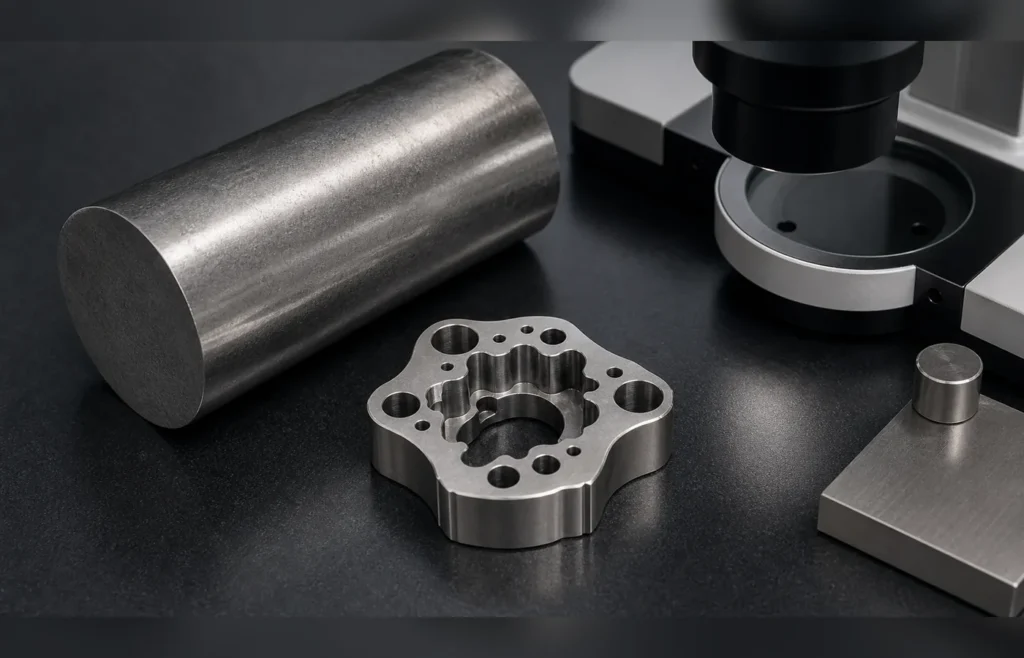
The slow wire cutting EDM market is undergoing significant transformation driven by the increasing miniaturization of medical devices, a trend expected to persist through 2035.
Market Drivers and Trends
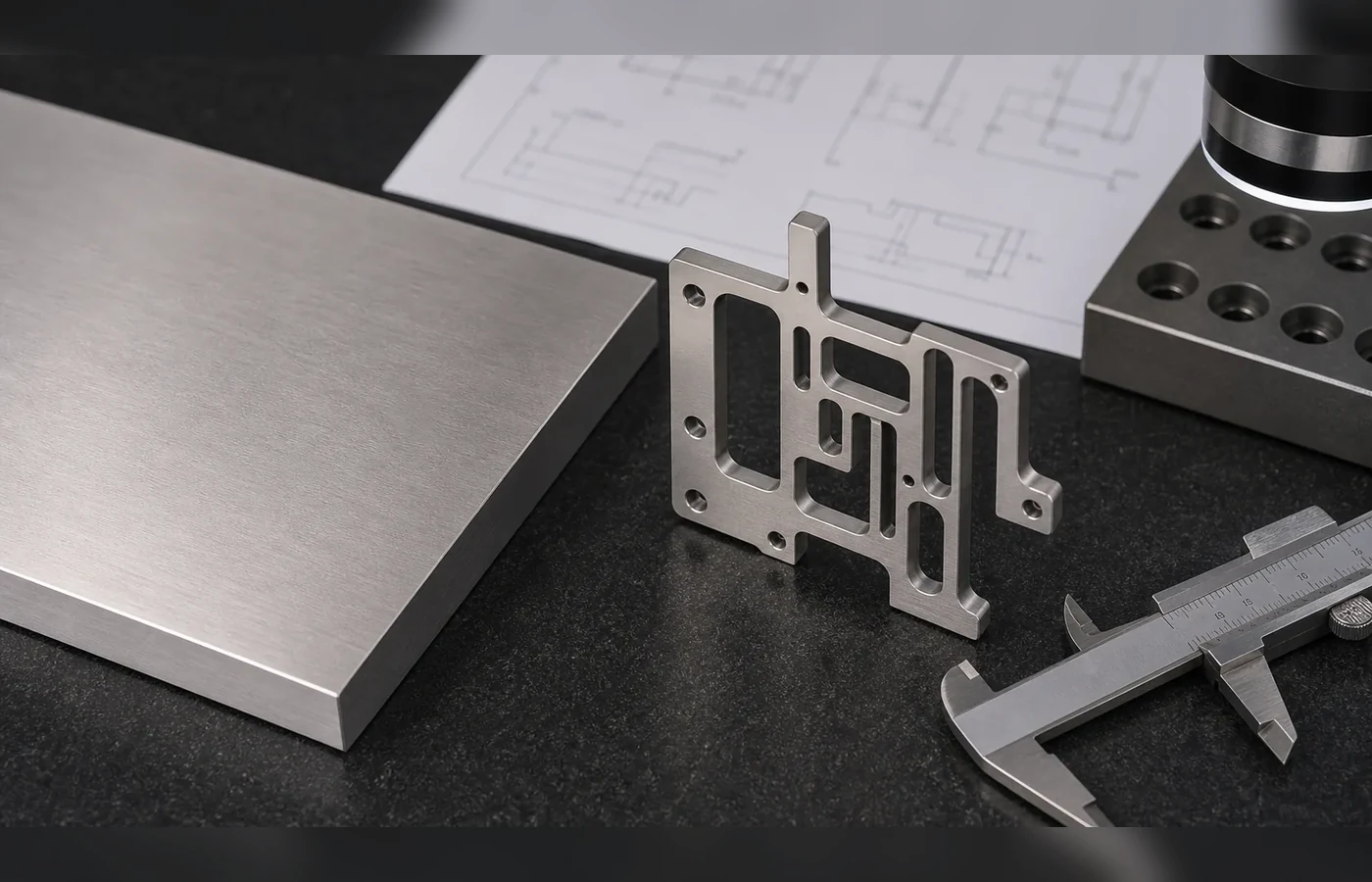
Miniaturization in medical devices demands extreme precision and tight tolerances, which slow wire cutting EDM provides. Implants, surgical instruments, and diagnostic tools require complex geometries and fine surface finishes that conventional machining cannot achieve. This has led to rising adoption of wire EDM across the medical sector.
Advancements in wire electrode technology and machine control systems have enabled faster cutting speeds while maintaining accuracy, making the process more cost-effective for high-volume production. Additionally, regulatory requirements for biocompatible materials drive innovation in EDM processes tailored for alloys such as titanium and cobalt chrome.
Technological Innovations
Slow wire cutting EDM machines now incorporate adaptive control algorithms that optimize pulse parameters in real time, reducing wire breakage and improving productivity. Multi-axis capabilities allow for intricate 3D shapes required for medical components like stents and orthopedic implants.
New wire materials, such as coated and alloyed wires, enhance cutting efficiency and reduce recast layer thickness, addressing concerns about surface integrity in medical applications. These innovations support the production of features measured in microns, essential for miniaturized devices.
Material Compatibility and Quality
Medical device manufacturers increasingly rely on slow wire EDM to process hard materials like stainless steel, titanium, and nickel alloys. The process minimizes thermal damage and maintains material properties, which is critical for implants that must withstand bodily environments.
Surface finish quality has improved with new flushing techniques and generator technologies, enabling mirror-like finishes without secondary operations. This reduces lead times and costs while meeting stringent medical standards. The Wire EDM Machining process is especially suited for these demanding requirements.
Market Outlook Through 2035
Analysts project steady growth in the slow wire cutting EDM market as medical device miniaturization accelerates. Emerging applications in minimally invasive surgery and wearable diagnostics will further drive demand. Manufacturers are investing in automation and Industry 4.0 integration to improve throughput and traceability.
Geographically, Asia-Pacific and North America are expected to lead in adoption due to strong medical manufacturing bases. The trend toward customized implants and shorter product lifecycles will keep pressure on EDM providers to innovate. Resources like the EDM Applications Hub provide insights into these evolving uses.
Why This Matters
The miniaturization of medical devices is reshaping precision manufacturing, and slow wire EDM is uniquely positioned to meet these demands. Its ability to produce ultra-fine features on hard materials with minimal thermal damage makes it indispensable for implants, surgical tools, and diagnostics, driving innovation in EDM technology and expanding market opportunities.