
Sinker EDM Gains Traction in Aerospace Manufacturing and Design
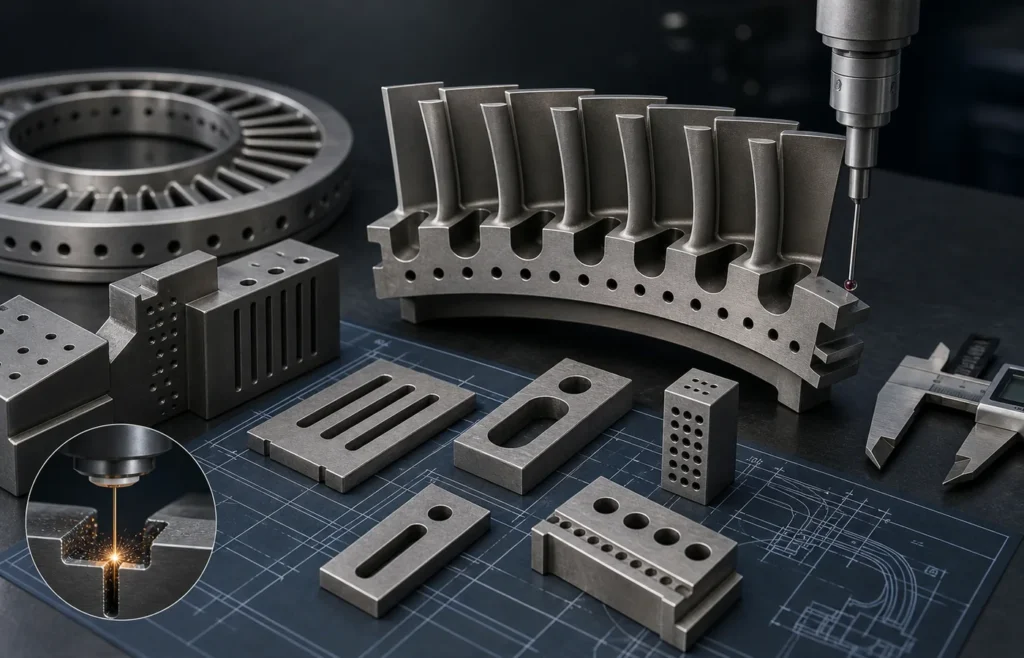
Global aerospace production is projected to exceed $900 billion by 2028, driving demand for precision machining technologies such as sinker electrical discharge machining (EDM). This process, which uses shaped electrodes to erode conductive materials, is increasingly specified for complex aerospace components where tight tolerances and intricate geometries are critical.
Why Sinker EDM Fits Aerospace Requirements
Aerospace parts often involve difficult-to-machine alloys like titanium, Inconel, and hardened steels. Sinker EDM can create features such as cooling holes, turbine blade root forms, and fuel nozzle orifices without inducing mechanical stress or burrs. The method also excels at producing sharp internal corners and deep cavities that conventional cutting tools cannot reach.
Key Advantages for Aerospace Applications
- No cutting forces — eliminates tool deflection and workpiece distortion
- Capable of machining hardened materials up to 68 HRC without annealing
- Excellent surface finish achievable, reducing post-processing needs
- High repeatability for production runs of critical safety parts
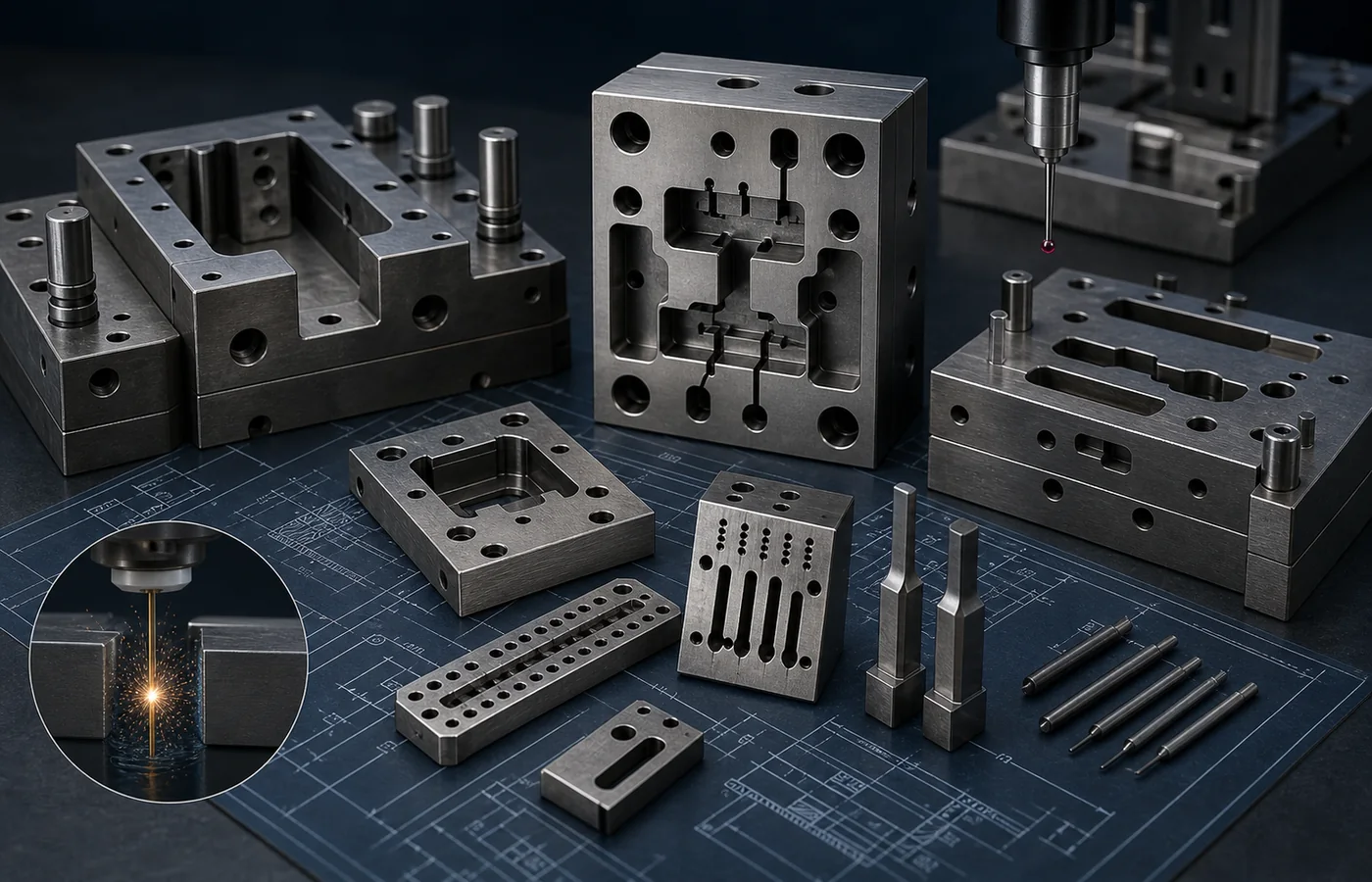
Beyond part fabrication, sinker EDM is widely used in aerospace tooling, including the creation of injection molds for composite components and die-casting dies for lightweight structural parts. The Sinker EDM Machining process can be integrated with other subtractive methods to optimize workflow.
Overcoming Design and Process Challenges
Implementing sinker EDM successfully requires careful electrode design and process parameter control. Electrode wear must be compensated, and dielectric flushing strategies are vital to ensure stable erosion and avoid recast layer defects. Aerospace manufacturers often combine sinker EDM with EDM Applications such as wire cutting and small-hole drilling to achieve complete part geometries.
One emerging trend is the use of graphite electrodes for roughing and copper electrodes for finishing, balancing material removal rate and surface quality. EDM Machining Services providers are also investing in multi-axis sinker machines that can tilt the electrode to access complex undercuts, reducing the need for multiple setups.
As aircraft engine designers push for higher efficiency, features like intricate cooling channels become more common. Sinker EDM will likely remain a cornerstone technology for producing these geometries reliably.
Why This Matters
Sinker EDM enables the fabrication of complex internal features in high-strength aerospace alloys that other methods cannot achieve, directly supporting trends toward lighter, more fuel-efficient aircraft. Its role in tooling also accelerates the production of composite and metal parts critical to next-generation platforms.