
Mould Maker Standardises on Makino EDM Machines
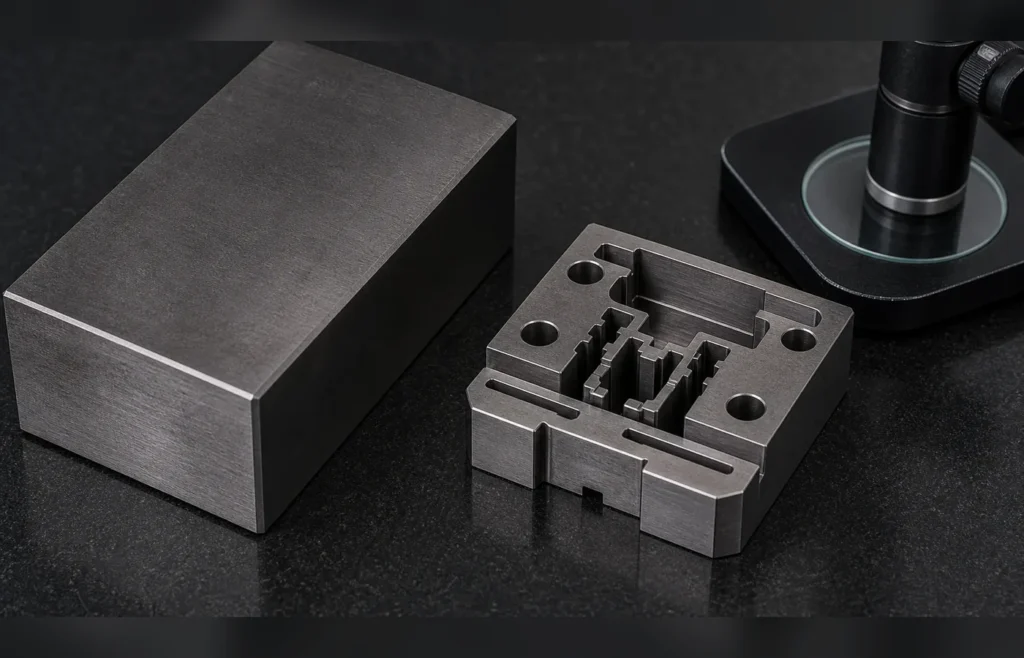
In the precision mould-making sector, the choice of electrical discharge machining (EDM) equipment can have a significant impact on production consistency and part quality. Many shops rely on a mix of brands, but some are now moving toward single-supplier standardisation to reduce variability and streamline operations.
Industry Context and the Shift to Standardisation
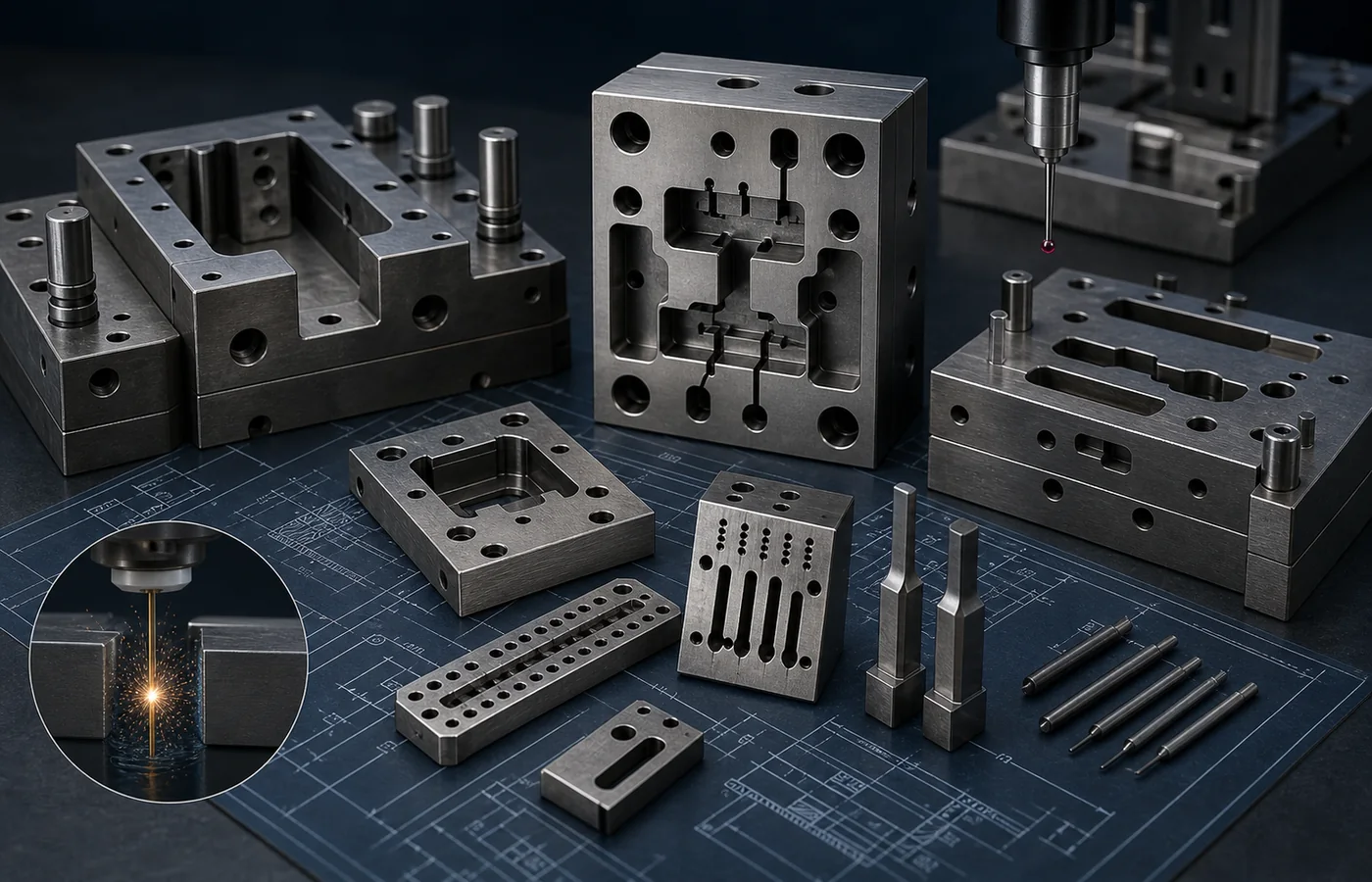
Mould making demands high accuracy and repeatability, especially for complex cavities and tight tolerances. Sinker EDM is a key process for creating intricate features in hardened steels and other tough materials. Standardising on one manufacturer’s platform can simplify training, maintenance, and programming while ensuring uniform spark erosion characteristics across all jobs.
Sinker EDM machining, also known as ram or die-sinking EDM, is commonly used for mold cavities, cores, and detail work. By adopting a single brand, a mold maker can achieve predictable results and reduce the risk of errors when transferring programs between machines.
Reasons for Choosing Makino Sinker EDM Machines
Makino is a well-known name in high-speed and precision machining, and its EDM line includes advanced sinker models designed for tool and die applications. Features such as adaptive control, antipulse technology, and low electrode wear appeal to shops that prioritise unattended operation and surface finish quality.
Standardisation on Makino machines allows the mould maker to leverage common controls, fixtures, and tooling systems across its entire EDM cell. This reduces inventory complexity and shortens the learning curve for operators. It also simplifies quoting and process planning, as the same operating parameters and strategies can be applied to similar workpieces.
For mould applications, achieving a consistent recast layer and minimal heat-affected zone is critical. Makino’s power supply technology helps meet those demands, particularly when working with materials like tool steels and stainless steels used in moulds. The EDM materials hub provides additional insight into how different alloys respond to EDM processes.
Implications for the Broader Market
This decision reflects a wider trend among precision manufacturers to consolidate suppliers. By standardising on a single brand, companies can negotiate better service contracts, obtain faster technical support, and reduce spare parts overhead. It also signals confidence in Makino’s long-term product roadmap.
For the mould-making industry, such moves may encourage other shops to evaluate their own equipment strategies. As global competition increases, consistency and efficiency become differentiators. Standardisation can also facilitate the adoption of automation and lights-out manufacturing, where machines must run reliably with minimal supervision.
Overall, the mould maker’s choice illustrates how strategic capital equipment decisions can shape operational performance. The EDM applications hub explores various uses of EDM in tooling and other fields, highlighting the value of mature technology combined with focused vendor partnerships.
In short, this development underscores the importance of aligning machine tool investments with production goals in precision mould manufacturing.
Why This Matters
Standardising on a single EDM brand reduces process variation and simplifies training, maintenance, and programming in mould making. This strategic move signals a broader industry trend toward supplier consolidation to improve quality and throughput in high-precision tooling.