
Sinker EDM Embraces AI and IoT for Aerospace Manufacturing
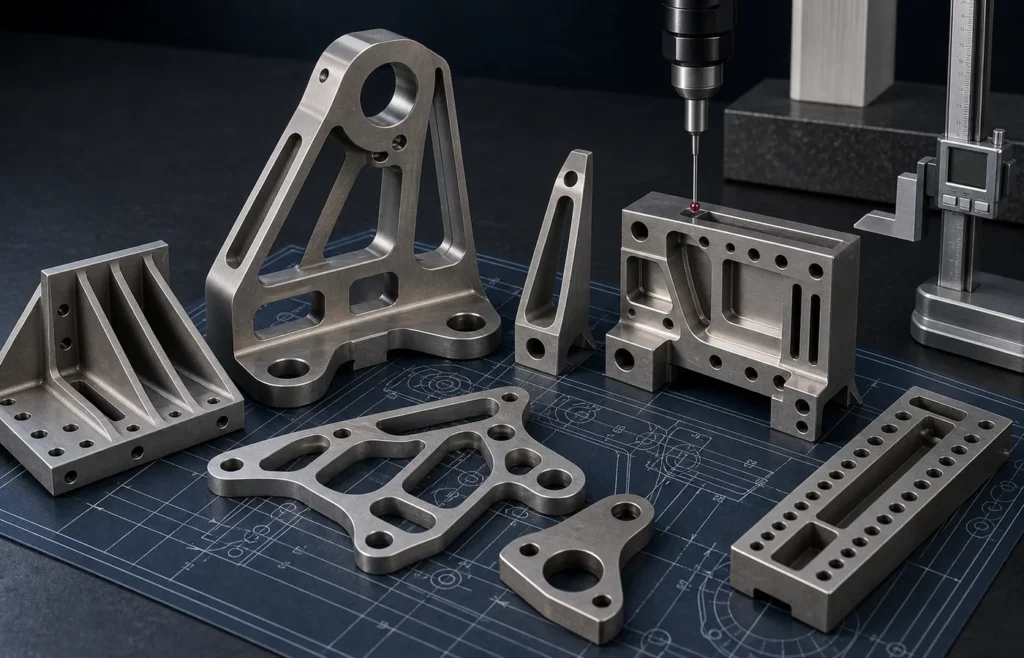
The manufacturing sector is witnessing a significant shift toward smarter production methods, with conventional machining processes being enhanced by digital technologies. Among these, sinker electrical discharge machining (EDM) is now gaining capabilities through artificial intelligence and the Internet of Things, a development highlighted by recent reports in aerospace industry media.
Industry Context
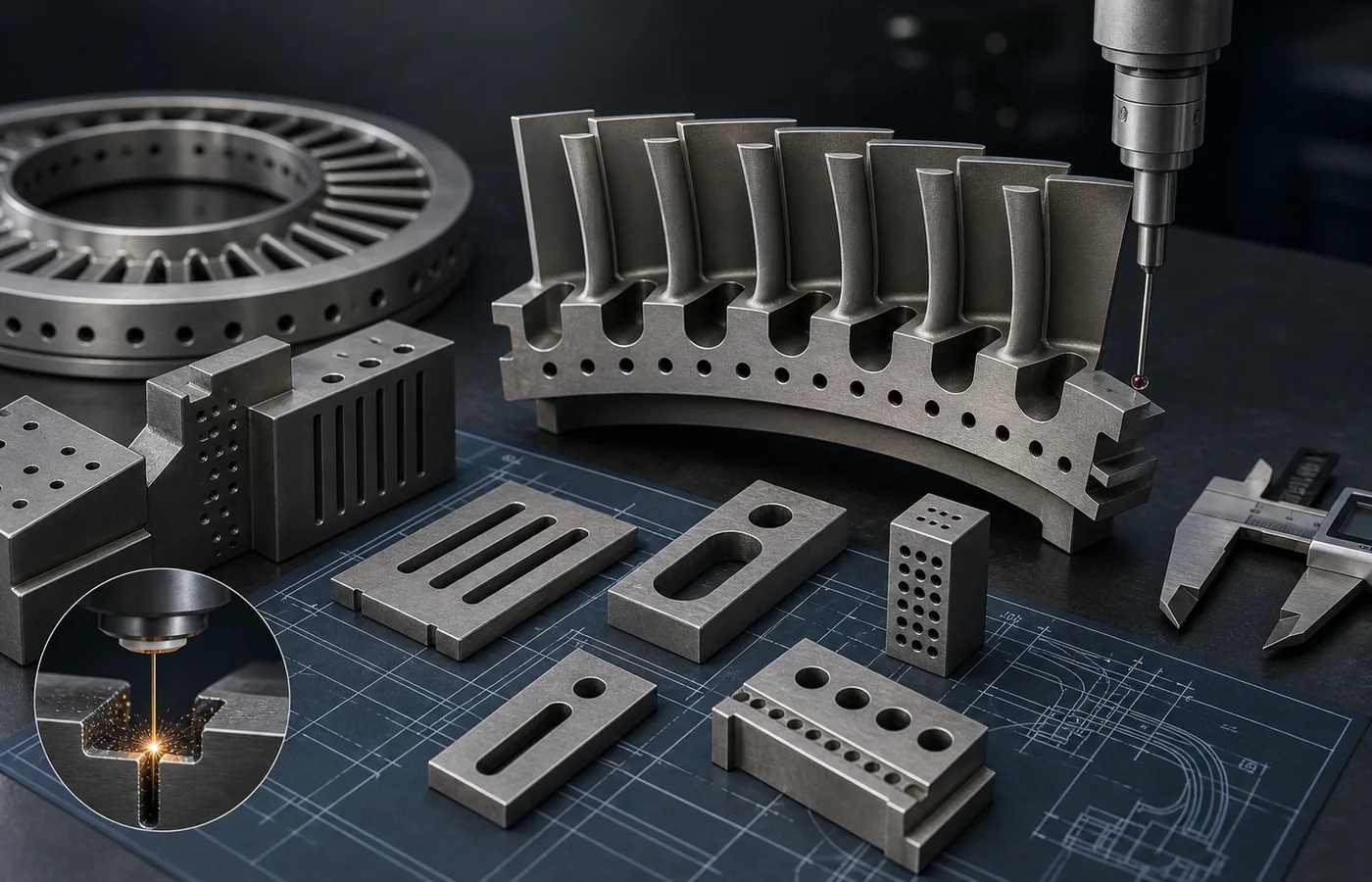
Traditional sinker EDM is known for its ability to machine hard metals and create complex cavities with high precision. However, the process has historically required skilled operators and significant manual setup. The integration of AI and IoT promises to change that by introducing real-time monitoring and adaptive control.
Aerospace manufacturing, with its stringent quality and safety standards, stands to benefit from these advancements. Components such as turbine blades and structural parts often demand intricate geometries that sinker EDM can deliver, and adding intelligence to the process could improve consistency and reduce errors.
The Technology Integration
AI algorithms are being applied to optimize machining parameters automatically, learning from past operations to adjust voltage, current, and pulse duration. This reduces the need for trial-and-error setups. IoT sensors placed on the machine monitor temperature, vibration, and dielectric fluid conditions, sending data to cloud platforms for analysis.
Manufacturers can remotely oversee production and receive alerts when maintenance is needed. This connectivity also enables predictive maintenance, minimizing unplanned downtime. For aerospace suppliers, such reliability is critical to meeting delivery schedules.
Applications in Aerospace
Aerospace components often involve superalloys like Inconel and titanium, which are difficult to cut with conventional tools. Sinker EDM remains a preferred method for features like cooling holes and blind cavities. With AI-driven controls, the process can achieve tighter tolerances and better surface finishes.
Parts such as fuel nozzles and engine housings can be produced with higher repeatability, reducing scrap rates. The ability to analyze data from multiple machines also helps in standardizing best practices across facilities. This is particularly valuable for large aerospace manufacturers with multiple production sites.
Implementation Challenges
Adopting AI and IoT requires investment in sensors, software, and training. Smaller shops may find the initial costs prohibitive. Additionally, the industry faces concerns about data security when connecting machines to external networks.
Workforce upskilling is also necessary, as operators need to interpret data dashboards and manage automated systems. Despite these hurdles, early adopters report improved efficiency and quality. The trend toward Industry 4.0 is likely to accelerate as technology matures and costs decrease.
Moving forward, the combination of AI, IoT, and sinker EDM is expected to become more common in aerospace manufacturing, driving further innovation in precision machining.
Why This Matters
The integration of AI and IoT into sinker EDM marks a step change for precision machining, particularly in aerospace where defects are costly. By enabling real-time optimization and predictive maintenance, this convergence of digital and physical technologies could raise industry standards for quality and productivity, making advanced manufacturing more accessible.