
DIY Project: Turn Your Creality Ender 3 Into a Wire EDM Machine
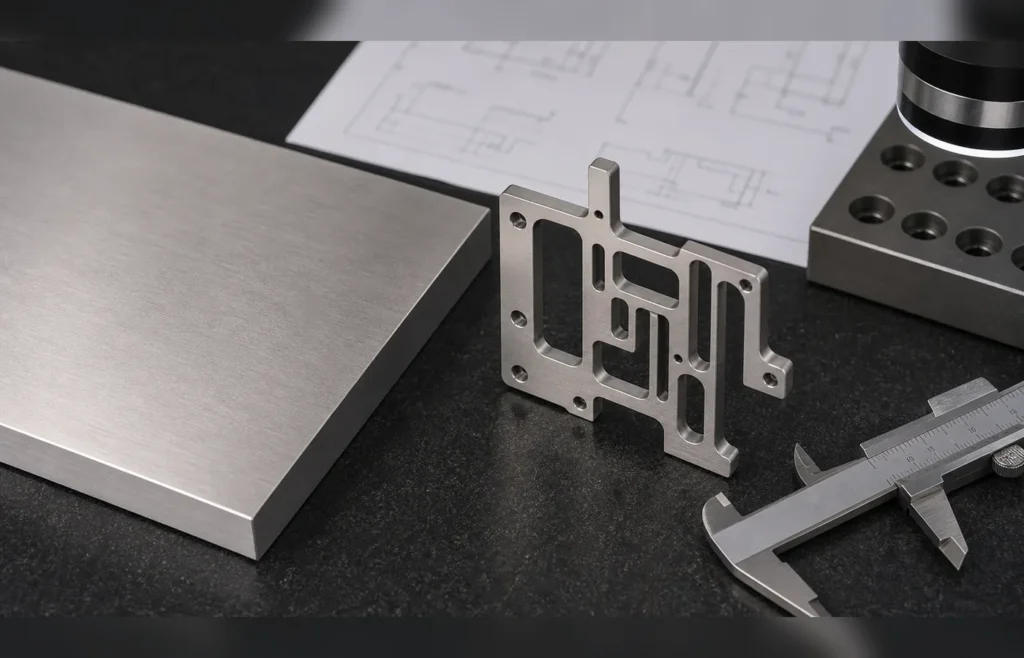
Hundreds of thousands of Creality Ender 3 3D printers have been sold worldwide, making it one of the most ubiquitous desktop fabrication tools. A new project published on Hackster.io now demonstrates how to repurpose that familiar hardware into a wire electrical discharge machining (EDM) setup.
From Plastic Extrusion to Electrical Discharge
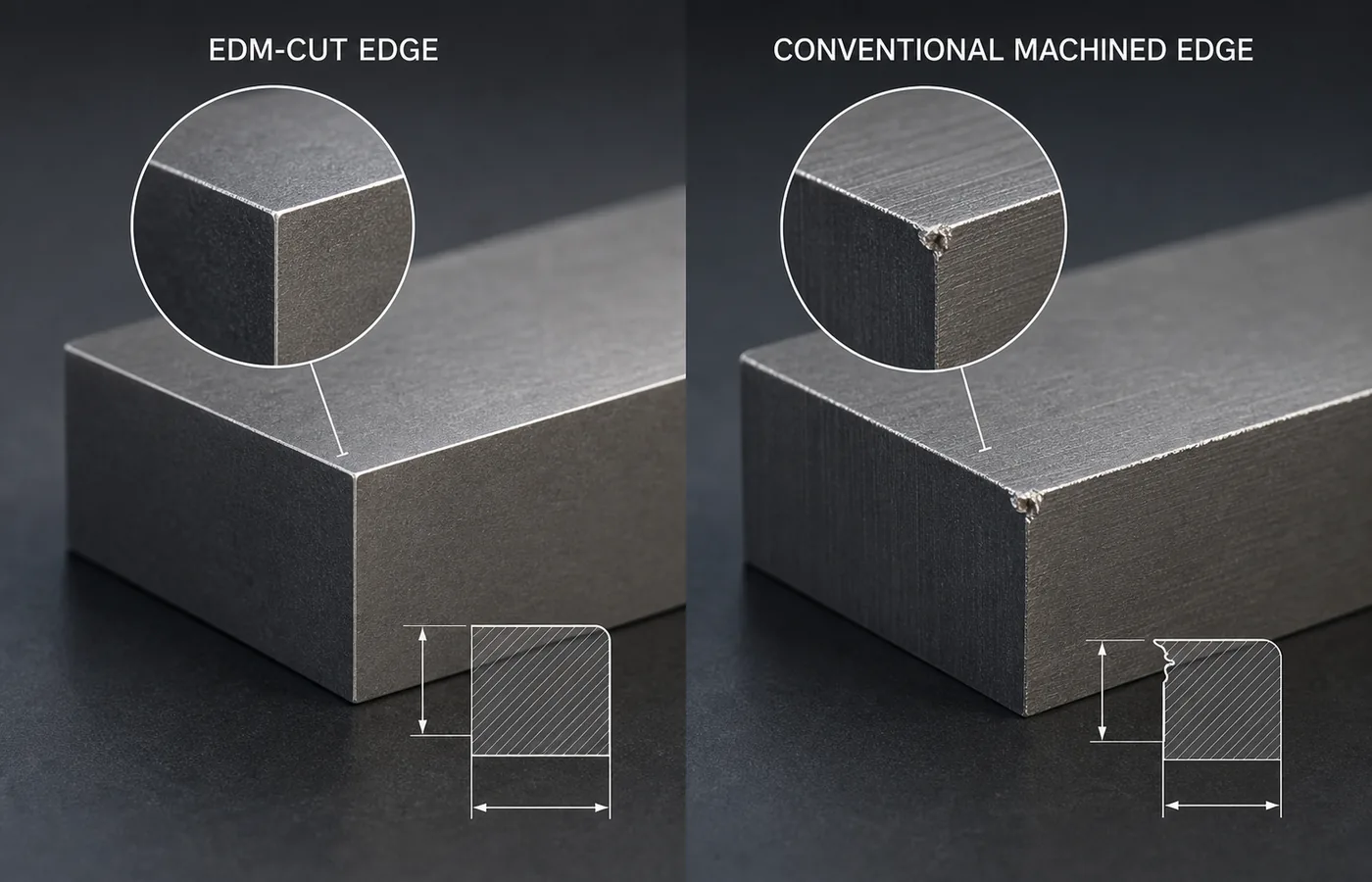
Wire EDM uses a thin, electrically charged wire to erode conductive materials with precision, typically reserved for industrial settings. The conversion guide walks through replacing the printer’s extruder and hotend with a wire electrode holder and a submerged cutting tank. A custom controller board manages the spark gap and wire feed, while the original stepper motors drive the X, Y, and Z axes.
According to the project’s documentation, the modified machine can cut metals such as aluminum, brass, and mild steel up to 10 mm thick. The total cost is estimated at under $200, excluding the donor printer.
Key Modifications Required
- Wire Feed System: A spool of brass or molybdenum wire replaces the filament, with tension maintained by a spring-loaded mechanism.
- Submerged Tank: The print bed is replaced by a dielectric fluid reservoir, typically using deionized water or oil.
- Control Electronics: An Arduino or similar microcontroller generates the EDM pulses and handles wire advancement.
Feasibility and Considerations
While the conversion demonstrates impressive ingenuity, several practical challenges remain. Cutting speed is significantly slower than commercial Wire EDM machines, and the lack of automatic wire threading complicates operation. The Wire EDM Thickness Guide notes that material thickness and conductivity heavily influence achievable tolerances.
The project’s author acknowledges that the converted machine excels at hobbyist tasks—like creating custom metal gears or intricate nameplates—rather than production work. Proper safety precautions, including electrical isolation and fume extraction, are emphasized in the build instructions.
Broader Implications for DIY Machining
This hack aligns with a growing trend of repurposing inexpensive 3D printers for subtractive manufacturing. Earlier projects have turned them into laser engravers, CNC mills, and even plotters. Wire EDM, however, brings a unique ability to cut hardened metals without mechanical force or heat-affected zones.
For those interested in exploring the full build, the Wire EDM Machining page offers a primer on the underlying technology. The Hackster.io entry includes schematics, code, and a bill of materials.
As the maker community continues to push boundaries, this project raises an open question: Could affordable, home-built Wire EDM machines eventually become a standard tool in small workshops, or will technical limitations keep it a niche experiment?
Why This Matters
This DIY conversion lowers the barrier to entry for wire EDM technology, traditionally expensive and industrial. It opens up precision machining for hobbyists and small workshops, potentially democratizing access to advanced manufacturing techniques.